
Fitbit Air Review 2026: Google’s $99 Screenless Tracker vs Whoop
The Fitbit Air review 2026 everyone has been waiting for is finally here. Google officially launched the Fitbit Air on May 7, 2026 at $99.99 — a screenless fitness tracker designed to take on Whoop without the expensive subscription model that makes Whoop frustrating for most people.
I’ve been tracking the Fitbit Air since the first leaks, and after going through everything Google has announced — specs, pricing, app integration, and real user feedback — here’s my honest take on whether the Fitbit Air is worth buying in 2026.
What Is the Fitbit Air?
The Fitbit Air review 2026 is Google’s first screenless fitness tracker — a wrist-worn band with no display, no buttons, and no notifications. It tracks your health data 24/7 and sends everything to your phone through the Google Health app.
The Fitbit Air review 2026 conversation starts with one important fact: at $99.99 with no mandatory subscription, it’s the most affordable entry into screenless fitness tracking available. Whoop charges a subscription fee on top of hardware costs — Fitbit Air’s core tracking stays free forever. Reviewed
The Fitbit Air is available for preorder starting May 7, 2026, with units expected to ship by the end of May. The price includes the tracker itself and one swappable band. Additional bands start at $34.99. ShutterGroove

Fitbit Air Specs & Key Features
Here’s everything you need to know about the Fitbit Air review 2026 hardware and software.
The Fitbit Air review 2026 features an optical heart rate sensor for 24/7 monitoring, plus red and infrared sensors for SpO2 blood-oxygen monitoring. Flexfire LEDs
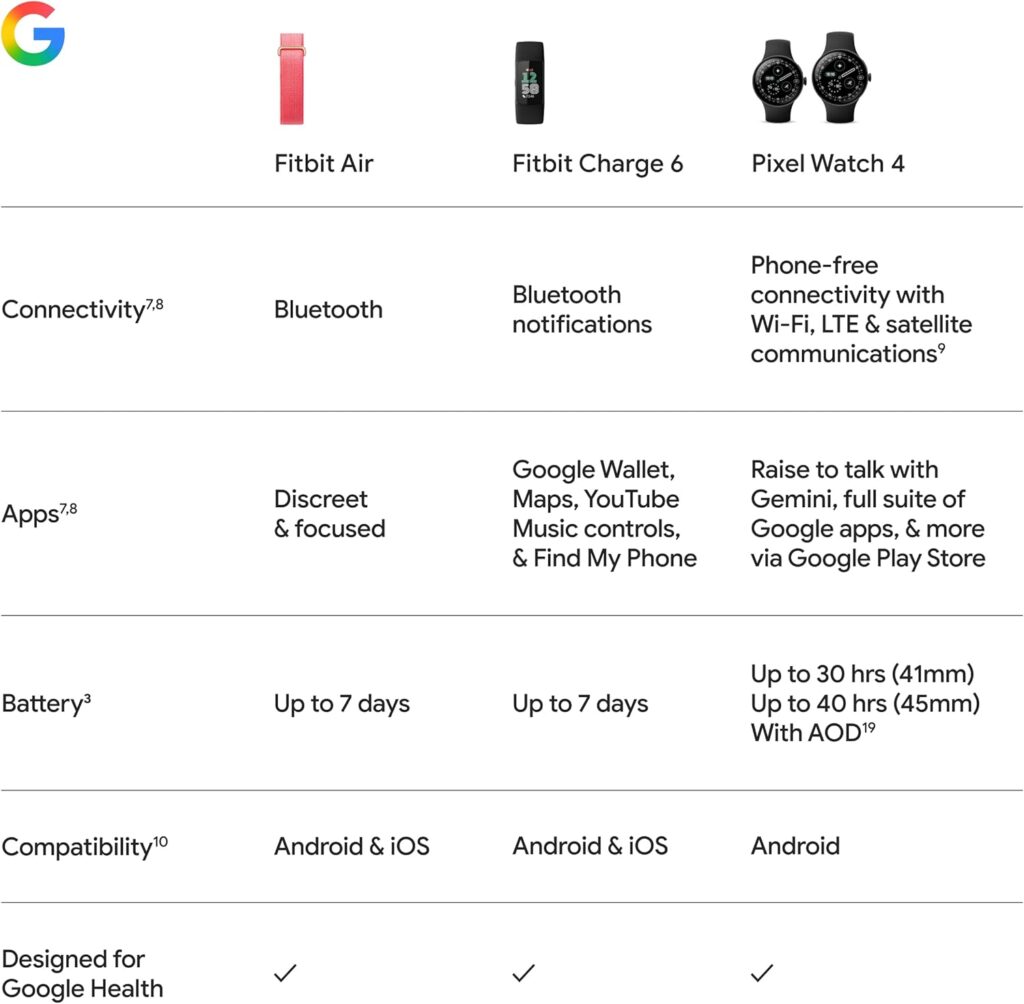
The Fitbit Air review highlights a lightweight design — about 12 grams with the band, even less without. Core tracking stays free, with optional Google Health Premium upgrades for deeper insights. Key features include screen-free design focused purely on tracking, up to 7 days battery life, and fast charging with a full day charge in just 5 minutes. eufy
Key Specs at a Glance:
The Fitbit Air costs $99.99 and ships with one Performance Loop band. Battery life is rated at up to 7 days with fast charging support — 5 minutes of charging gives you a full day of use. It tracks heart rate continuously, blood oxygen (SpO2), sleep stages, and workout activity. It works with both Android and iOS through the Google Health app. A 3-month trial of Google Health Premium is included with every purchase. ShutterGroove
There is no screen, no GPS, and no buttons — haptic feedback handles all alerts.
Design & Build Quality
The Fitbit Air’s design philosophy is simple: disappear on your wrist.
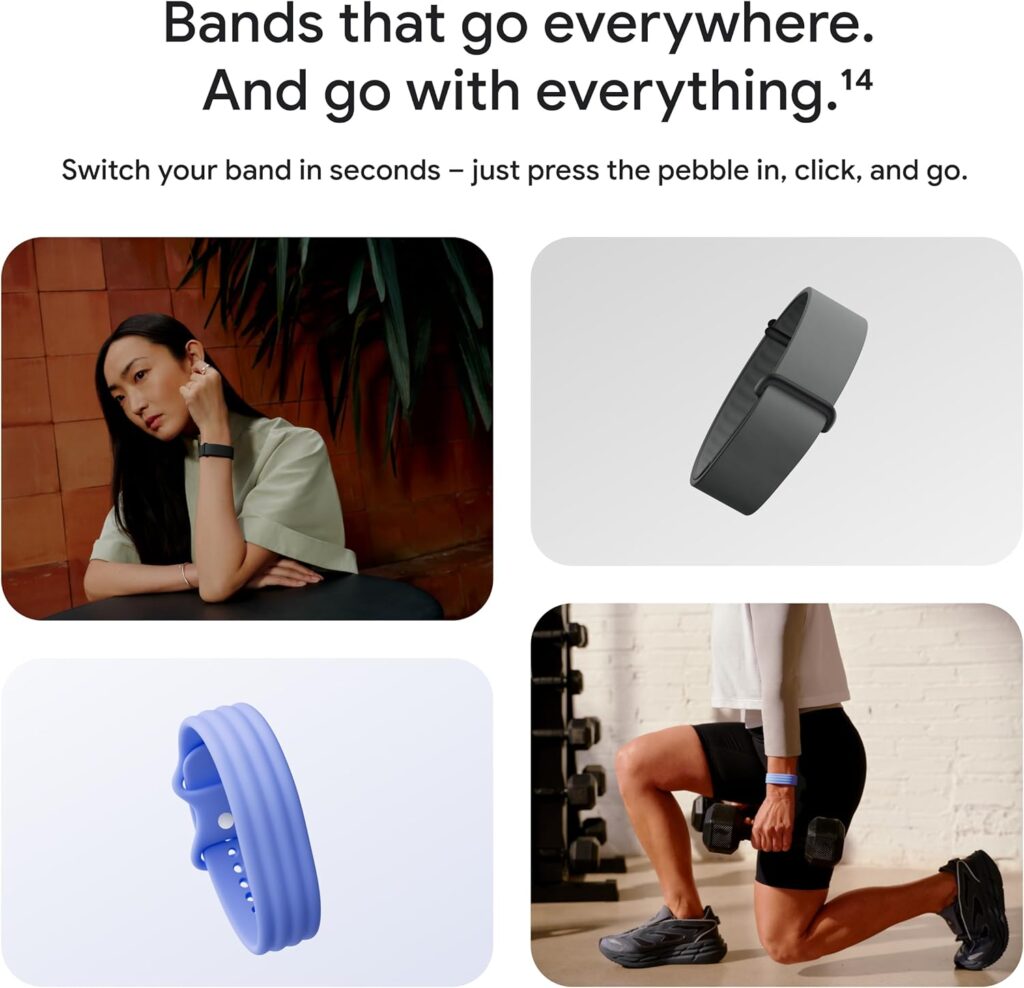
The pod itself — officially called “the pebble” — is the same across all models. Four different band colors are available at launch, grouped into Active bands including Obsidian, Fog, Lavender, and Berry options with various buckle finishes. LEDYi Lighting
Co-designed with Stephen Curry, the Fitbit Air review 2026 Special Edition Performance Loop band comes in rye brown and game-day orange. It features a water-resistant coating and a raised interior print inspired by athletic racing stripes specifically engineered to increase airflow during high-intensity movement. Luxury And Famous
The screenless form factor is the defining design choice. Without a display to protect or a screen to crack, the Fitbit Air can be worn through workouts, showers, and sleep without the anxiety that comes with wearing a smartwatch 24/7.
Battery Life
Seven days is the single specification Google should have matched Whoop on — and didn’t. This is likely to be the headline complaint in every launch review. Reviewed
Whoop offers longer battery life on its latest hardware. For a device designed for continuous 24/7 tracking, 7 days means weekly charging interruptions to your sleep and recovery data.
The saving grace is fast charging. Five minutes of charging delivers a full day of use — meaning a quick charge before bed covers you if you forget during the week. eufy
Google Health App Integration
This is where the Fitbit Air review 2026 gets genuinely interesting. Google Health replaces the Fitbit app on May 19, 2026 and brings the Gemini-powered Health Coach out of beta to every Fitbit Air owner. The Health Coach can build adaptive fitness plans, suggest recovery windows, analyse sleep disruptions, and answer health questions in conversation. Reviewed
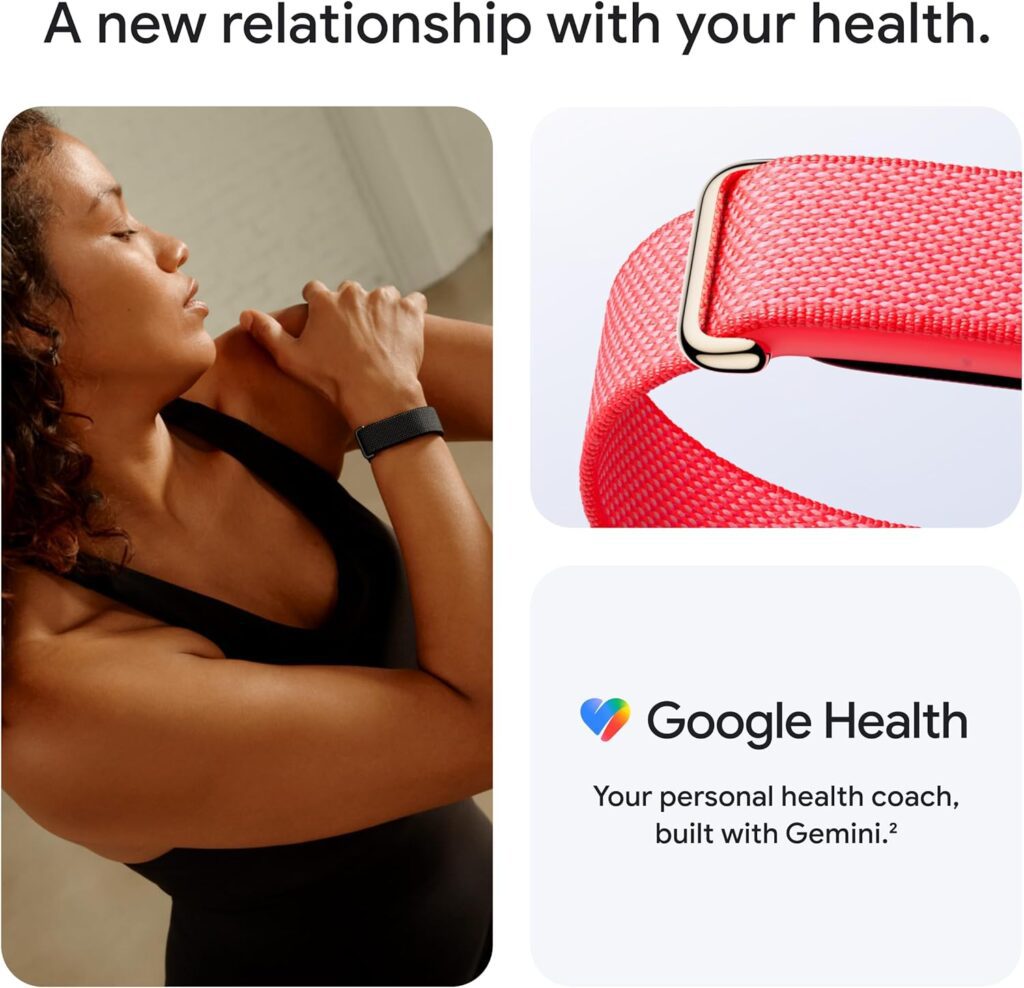
The Fitbit Air also supports cross-device data integration — for example, a Pixel Watch worn during the day and Fitbit Air for sleep and workouts can both feed the same Google Health account. Apple Watch, Garmin, Whoop, and Oura support has been promised for later in 2026. Reviewed
For existing Pixel Watch users, this makes the Fitbit Air a compelling sleep and recovery companion rather than a replacement device.
Fitbit Air vs Whoop: Honest Comparison
This is the comparison everyone wants to see. Here’s a straightforward breakdown:
The Fitbit Air costs $99.99 with no subscription required, while Whoop requires a membership that adds ongoing cost. The Fitbit Air offers 7-day battery life, while Whoop offers longer on its latest hardware. Both are screenless and focus on continuous health monitoring.
Whoop wins on battery life, the bicep band ecosystem, and more advanced features like blood panel biomarker correlations. But the Fitbit Air is the most compelling low-cost entry to screenless tracking. Reviewed
The honest answer: if you’re considering Whoop but hate the subscription model, the Fitbit Air review 2026 is the most sensible alternative . If you’re a serious athlete who needs advanced metrics and longer battery, Whoop still leads.
For smart home and wearable comparisons, check out my best smart rings guide and best budget smartwatch guide.
Who Should Buy the Fitbit Air?
The Fitbit Air is best for 24/7 health tracking, sleep monitoring, existing Fitbit users upgrading from older models, and anyone who wants Whoop-style screenless tracking without a mandatory subscription. Social Moms
You should buy the Fitbit Air if you want passive health tracking without glancing at a screen all day. It’s ideal for sleep tracking, recovery monitoring, and people who find smartwatch notifications distracting. The $99 price makes it genuinely accessible for first-time screenless tracker buyers.
Who Should Skip It?
Skip the Fitbit Air if you use your Fitbit as a smartwatch, train phone-free outdoors and need GPS, require on-demand ECG, or want a bicep band option at launch. Social Moms
If you need real-time workout feedback on your wrist or GPS for outdoor runs, a budget smartwatch makes more practical sense. I covered the best options in my best budget smartwatch 2026 guide.
Fitbit Air vs Budget Smartwatch: Which Makes More Sense?
This depends entirely on what you want from a wearable in 2026.
The Fitbit Air wins when sleep and recovery tracking are your priority. Without a screen demanding attention, it disappears into your daily routine and collects data passively. The Google Health AI integration adds genuine value for long-term health trends.
A budget smartwatch wins when you need GPS, workout display data, or real-time notifications. The Garmin Vivoactive 5 or Amazfit Active 2 both offer GPS tracking, larger displays, and broader fitness features at comparable price points.
For most people, the choice comes down to this: if you already have a smartwatch you like, the Fitbit Air review 2026 makes an excellent sleep and recovery companion. If you only want one wearable, a budget smartwatch does more.
FAQ
What is the Fitbit Air price in 2026?
The Fitbit Air launches at $99.99 for the standard version with one Performance Loop band included. The Stephen Curry Special Edition costs $129.99. Additional bands start at $34.99 each.
Does the Fitbit Air require a subscription?
No. The Fitbit Air’s core tracking features — heart rate, sleep, SpO2, and activity — are free forever. Google Health Premium is optional for deeper AI-powered insights and costs extra, but the base experience requires no subscription.
How long does the Fitbit Air battery last?
The Fitbit Air is rated for up to 7 days of battery life. Fast charging means 5 minutes of charging provides a full day of use, which minimizes data gaps if you forget to charge.
Does the Fitbit Air have GPS?
No. The Fitbit Air has no built-in GPS. It relies on your phone’s GPS for outdoor workout tracking. If GPS is important, check out the best budget smartwatches in 2026 which all include built-in GPS.
When does the Fitbit Air ship?
The Fitbit Air is available for preorder now. Units are expected to ship by the end of May 2026. The Special Edition with the Stephen Curry band goes on-shelf in the US on May 26, 2026.
How does the Fitbit Air Review 2026 compare to Whoop?
The Fitbit Air costs $99.99 with no mandatory subscription. Whoop requires an ongoing membership fee. Whoop offers longer battery life and more advanced biomarker features. Fitbit Air wins on price and accessibility. For casual to intermediate fitness tracking, Fitbit Air is the better value.
Final Verdict
The Fitbit Air review 2026 is exactly what the screenless fitness tracker market needed that — a capable, no-subscription option that makes this category accessible to most people.
At $99 with aggressive pre-order trade-in incentives, the Fitbit Air review 2026 is the most accessible entry to screenless tracking on the market and the first time Google has matched Whoop on weight and beaten it on price. Social Moms
The 7-day battery is the genuine limitation. A device built for continuous 24/7 tracking should last longer between charges. But the fast charging helps, and at $99 with no subscription, it’s hard to argue against the value.
If you want Whoop-style health tracking without the ongoing cost, the Fitbit Air review 2026 is the answer. Pre-order it now before the May 26 on-shelf date.
Disclosure: This article may contain affiliate links. If you purchase through these links, I may earn a small commission at no extra cost to you.