
Trump Ukraine Criticism: 5 Key Policy Splits Expose ‘Weak’ European Leaders on Defense and Immigration Europe
The Disruption: Unprecedented Trump Ukraine Criticism
The political landscape was sharply jolted by President Donald Trump’s latest and most searing public condemnation of European allies. His strong words, which included claims that European nations are “decaying,” immediately refocused global attention on transatlantic tensions. This unprecedented Trump Ukraine Criticism has ignited intense debate over the reliability of long-standing alliances।
The central thesis of the recent Trump Ukraine Criticism rests on the perceived failure of European Leaders Weak to adequately contribute to collective defense, particularly concerning the ongoing conflict in Ukraine. This challenge directly questions the operational readiness and financial commitments of NATO members.
By explicitly linking the defense effort with the contentious issue of Immigration Europe, Trump expanded the scope of his critique far beyond mere military spending. This move politicizes multiple fronts of foreign policy simultaneously, ensuring maximum domestic and international resonance for the Trump Ukraine Criticism।
The First Key Split: Burden Sharing and Defense Spending
The first major policy split exposed by the latest wave of Trump Ukraine Criticism revolves around the issue of defense burden sharing within NATO. Trump has consistently argued that many European Leaders Weak have relied too heavily on the United States for their security, failing to meet agreed-upon spending targets.
The financial contribution towards Ukraine’s defense is a critical metric in this debate. While European nations collectively provide significant aid, Trump’s view is that the ratio of European versus US military and financial support is disproportionately tilted toward Washington.
This aspect of the Trump Ukraine Criticism forces a necessary, albeit uncomfortable, discussion within Europe about their long-term military self-sufficiency. Nations are being pressured to increase their defense budgets drastically to counter the perception of European Leaders Weak commitment.

The Second Key Split: The Immigration Europe Linkage
A highly controversial element of the Trump Ukraine Criticism is the explicit linkage of the European security failure to the continent’s immigration policies. Trump suggested that lax controls on Immigration Europe are symptomatic of a broader leadership crisis.
The issue of Immigration Europe has been a highly divisive political topic within the EU for years, often leading to internal political fractures. Trump’s comments exacerbate these internal divisions, giving succor to right-wing political movements across the continent.
This specific thread of the Trump Ukraine Criticism attempts to frame the Ukrainian conflict and the continent’s migrant situation as two sides of the same coin: a failure of resolve by European Leaders Weak to protect their borders and national integrity।
The Third Key Split: Diplomatic Strategy and Escalation Risks
The Trump Ukraine Criticism also implies a strategic disagreement on how the conflict should be managed diplomatically. Trump’s past rhetoric suggests a preference for a rapid, negotiated end to the conflict, contrasting sharply with the long-term support strategy favored by current European Leaders Weak and the Biden administration.
European capitals are cautious about prematurely pushing Kyiv into disadvantageous peace talks, fearing it would legitimize aggression. This diplomatic difference forms a silent fault line underlying the public Trump Ukraine Criticism.
The potential for escalation and the management of nuclear risk are key concerns that divide Western policymakers. The Trump Ukraine Criticism highlights this divergence in risk assessment and strategic patience.
The Fourth Key Split: Economic Sanctions and Energy Dependence
The fourth major policy division touched upon by the Trump Ukraine Criticism concerns the impact and durability of economic sanctions placed on Russia. While the sanctions are a unified front, certain European Leaders Weak economies have suffered more acutely due to reliance on Russian energy.
The implementation and enforcement of sanctions linked to the Trump Ukraine Criticism have revealed internal European fragility, particularly concerning energy security. Nations are still scrambling to diversify their energy supplies, a vulnerability exposed by the war.
The long-term economic cost of supporting Ukraine and sustaining the sanction regime is immense. This sustained financial pressure informs the political backdrop of the Trump Ukraine Criticism and his assertion of European ‘decay’।
The Fifth Key Split: NATO’s Future and Transatlantic Commitment
Perhaps the most significant consequence of the Trump Ukraine Criticism is the damage it inflicts on the future viability of NATO and the transatlantic relationship itself. Trump has repeatedly questioned the foundational principle of collective defense.
The repeated attacks lead to profound uncertainty in European capitals regarding future US commitment, forcing European Leaders Weak to seriously plan for a scenario where the US role in NATO is drastically reduced or eliminated.
This uncertainty generated by the Trump Ukraine Criticism is viewed by many European strategists as highly dangerous, as it potentially emboldens adversaries and destabilizes global security norms.
Historical Context of Transatlantic Frictions
The Trump Ukraine Criticism is not an entirely new phenomenon but an amplification of historic transatlantic frictions regarding burden sharing. Previous US administrations have also called for greater European military spending, though without Trump’s aggressive language.
The difference now is the existential threat posed by the conflict in Ukraine, which raises the stakes dramatically. Trump’s unique style of Trump Ukraine Criticism uses this crisis point to maximize political leverage.
The debate over Immigration Europe also has deep historical roots, often influencing US-European relations since the post-World War II era. Trump merges these separate threads into one unified critique of European Leaders Weak.
European Reaction and Political Impact
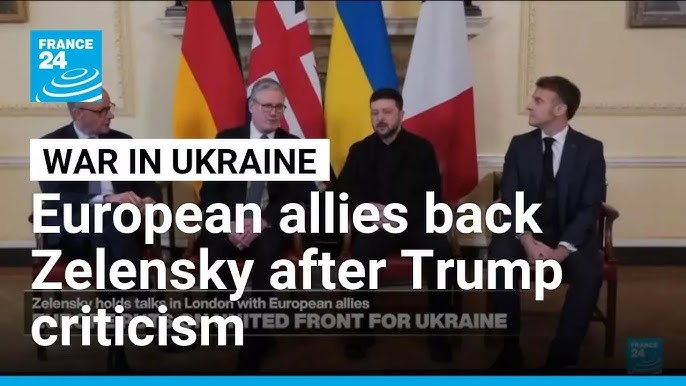
The reaction from European Leaders Weak to the latest Trump Ukraine Criticism has been a mix of public defiance and private alarm. While many officials publicly decry the comments, behind closed doors, contingency planning for a potential US policy shift is underway.
The Trump Ukraine Criticism inadvertently strengthens the position of those within Europe advocating for greater European strategic autonomy and a unified European defense capability, independent of the US.
However, the criticism also emboldens populist and nationalist parties across Europe who share Trump’s views on defense spending and Immigration Europe, thus further polarizing the continent’s political landscape.
The Role of Immigration Europe in Populist Rhetoric
Trump’s inclusion of Immigration Europe in his critique is a calculated move designed to resonate with a global populist movement. Immigration policy often serves as a proxy for broader anxieties about cultural change and national security.
The political potency of the Immigration Europe issue ensures that the Trump Ukraine Criticism gains traction with voters who might not typically follow foreign policy in detail. This strategic framing broadens the appeal of his message.
By painting European Leaders Weak as ineffective on both borders and defense, Trump creates a unified narrative of decline, which strongly supports his isolationist foreign policy vision.
Domestic Political Strategy Behind Trump Ukraine Criticism
Domestically, the Trump Ukraine Criticism serves a clear political purpose. It allows Trump to appeal to a base that is skeptical of foreign interventions and prefers focusing US resources on internal issues like border security and the economy.
The argument that the US is over-extended while European Leaders Weak under-contribute is a politically effective soundbite. It reinforces Trump’s “America First” philosophy among his core supporters.
The focus on Immigration Europe also allows him to draw parallels between the perceived security failures in Europe and his ongoing debate with political opponents over the southern US border.
Conclusion: Facing the Five Key Policy Splits
The recent Trump Ukraine Criticism has done more than just generate headlines; it has brutally exposed the 5 Key policy splits between the US and its traditional European allies: Defense Burden, Immigration Linkage, Diplomatic Strategy, Sanctions Resilience, and NATO’s Future.
The challenge to European Leaders Weak is now immediate and profound: they must either substantially increase their military commitments and align their policies on issues like Immigration Europe, or face a future where the transatlantic security structure is fundamentally altered.
Ultimately, the ongoing Trump Ukraine Criticism forces a pivotal moment for the Western alliance, demanding clarity and decisive action from all parties involved to safeguard collective security and stability in an increasingly complex global environment.