
January 6 Anniversary Events: How Washington is Marking 5 Years Since the Capitol Attack and Security Updates for 2026
Introduction
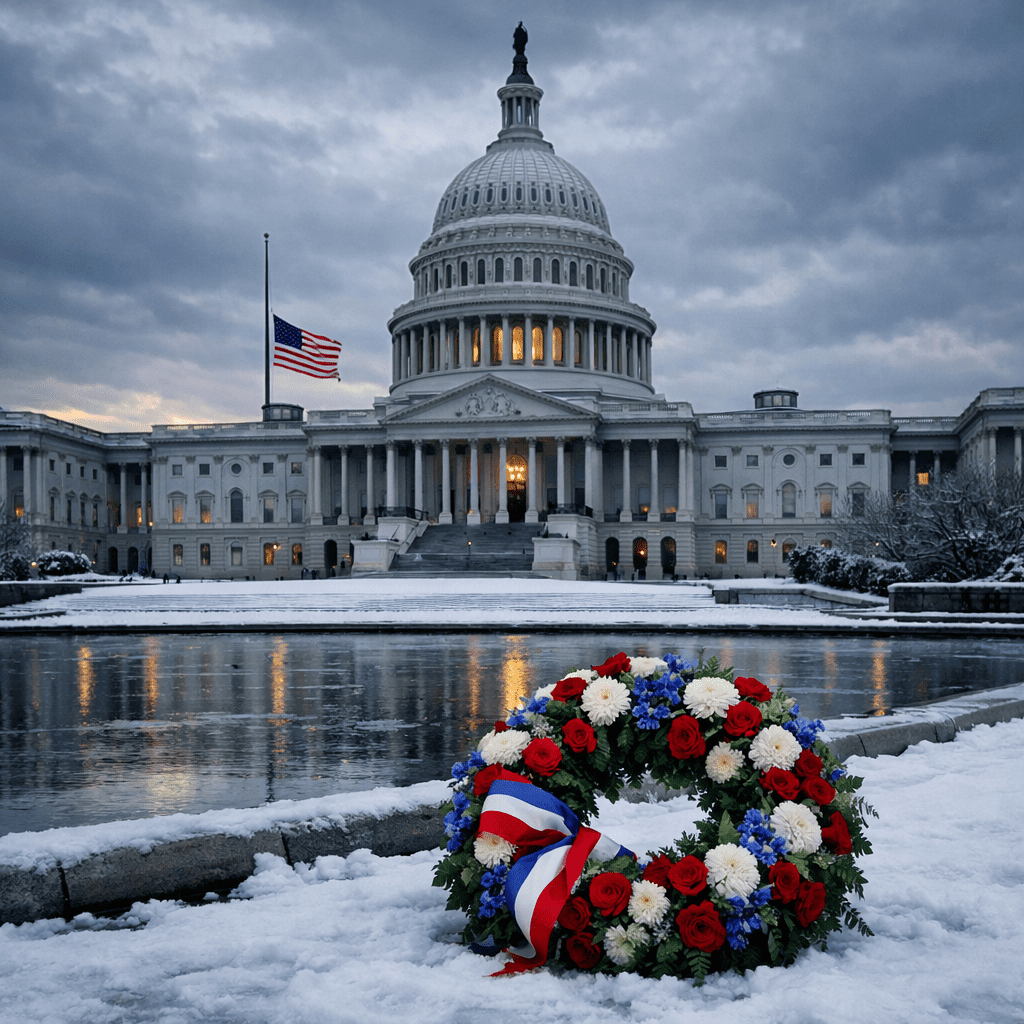
Today, Washington D.C. wakes up under a gray winter sky, marking a somber milestone in American history. It has been exactly five years since the events of January 6, 2021, when the U.S. Capitol building was breached during the certification of the electoral college votes. As the nation observes the January 6 Anniversary events, the atmosphere in the capital is one of reflection, remembrance, and heightened vigilance.
Five years later, the physical scars on the building have healed, but the impact on American democracy and national security remains a central topic of discussion. From early morning prayer services to official congressional ceremonies, the January 6 Anniversary events are taking place across the city to honor the law enforcement officers who defended the citadel of democracy.
However, the focus in 2026 is not just on the past; it is heavily focused on the future. With the implementation of massive Capitol security updates 2026, the complex looks vastly different today than it did half a decade ago. In this comprehensive report, we cover how the day is being observed, the technological upgrades to Capitol security, and the mood of the nation five years on.
Schedule of January 6 Anniversary Events in D.C.
The day began early with flags flying at half-staff across federal buildings. The schedule for the January 6 Anniversary events is designed to be bipartisan and commemorative, focusing on the resilience of the institutions rather than political division.
Morning Remembrance: At 9:00 AM, a moment of silence was held on the steps of the House of Representatives. Law enforcement officers from the U.S. Capitol Police (USCP) and the Metropolitan Police Department stood in formation, a powerful visual reminder of their service. Families of the officers who lost their lives or suffered injuries in the aftermath were present, receiving honors from congressional leaders.
Congressional Ceremonies: Inside the Statuary Hall, where rioters once roamed, a formal ceremony is taking place. Leaders from both parties are delivering remarks centered on the theme of “Unity and Constitution.” Unlike previous years, the rhetoric in 2026 has shifted slightly towards healing and ensuring such an event never happens again.
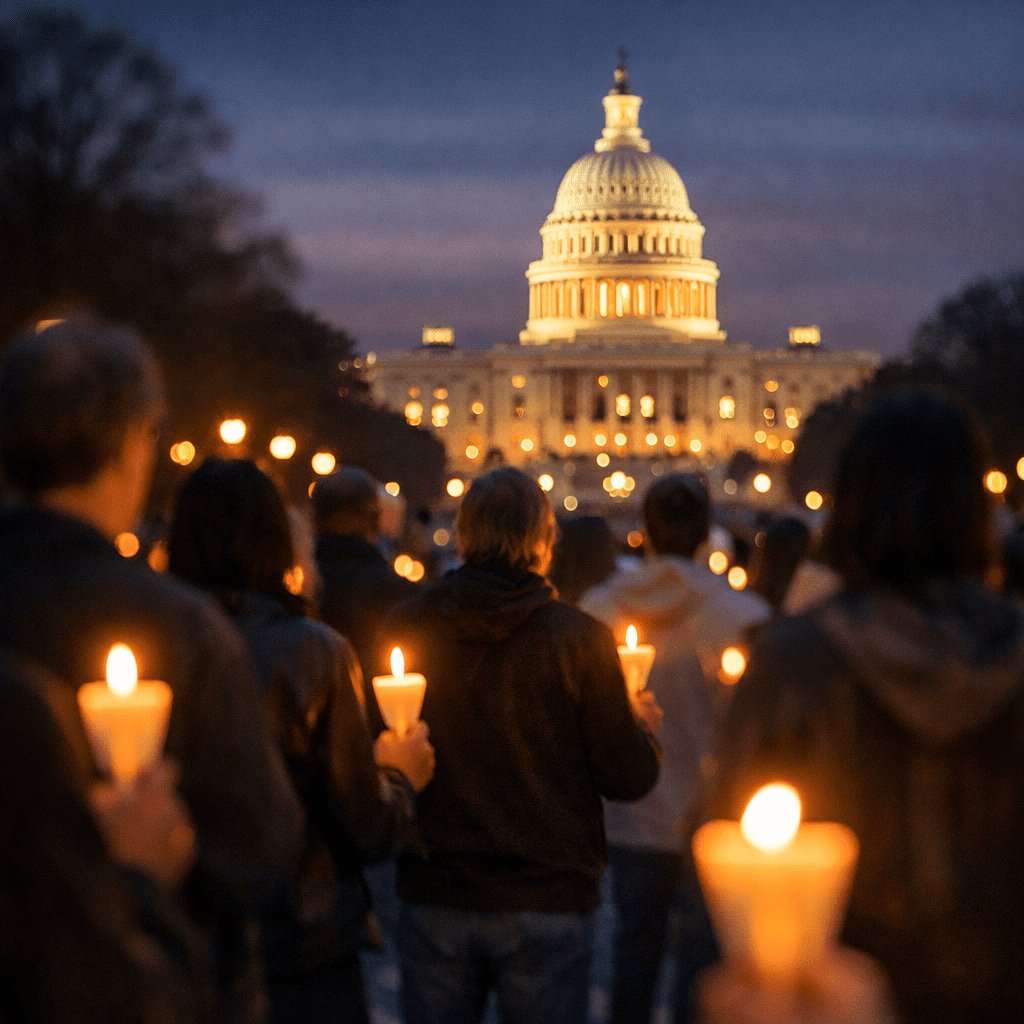
Candlelight Vigils: As evening approaches, various civic groups have organized candlelight vigils near the National Mall. These January 6 Anniversary events are open to the public and are intended to be peaceful gatherings to promote democratic values.
Capitol Security Updates 2026: A Fortress of Technology
Perhaps the most significant change over the last five years is the transformation of the Capitol’s defense systems. The Capitol security updates 2026 have turned the complex into one of the most secure facilities in the world, blending physical barriers with advanced AI technology.
1. “Invisible” Perimeter Fencing: Immediately after 2021, ugly metal fencing surrounded the Capitol. Today, that has been replaced by retractable bollards and reinforced landscaping that looks decorative but can stop a speeding truck. This is a key part of the Capitol security updates 2026, balancing aesthetics with safety.
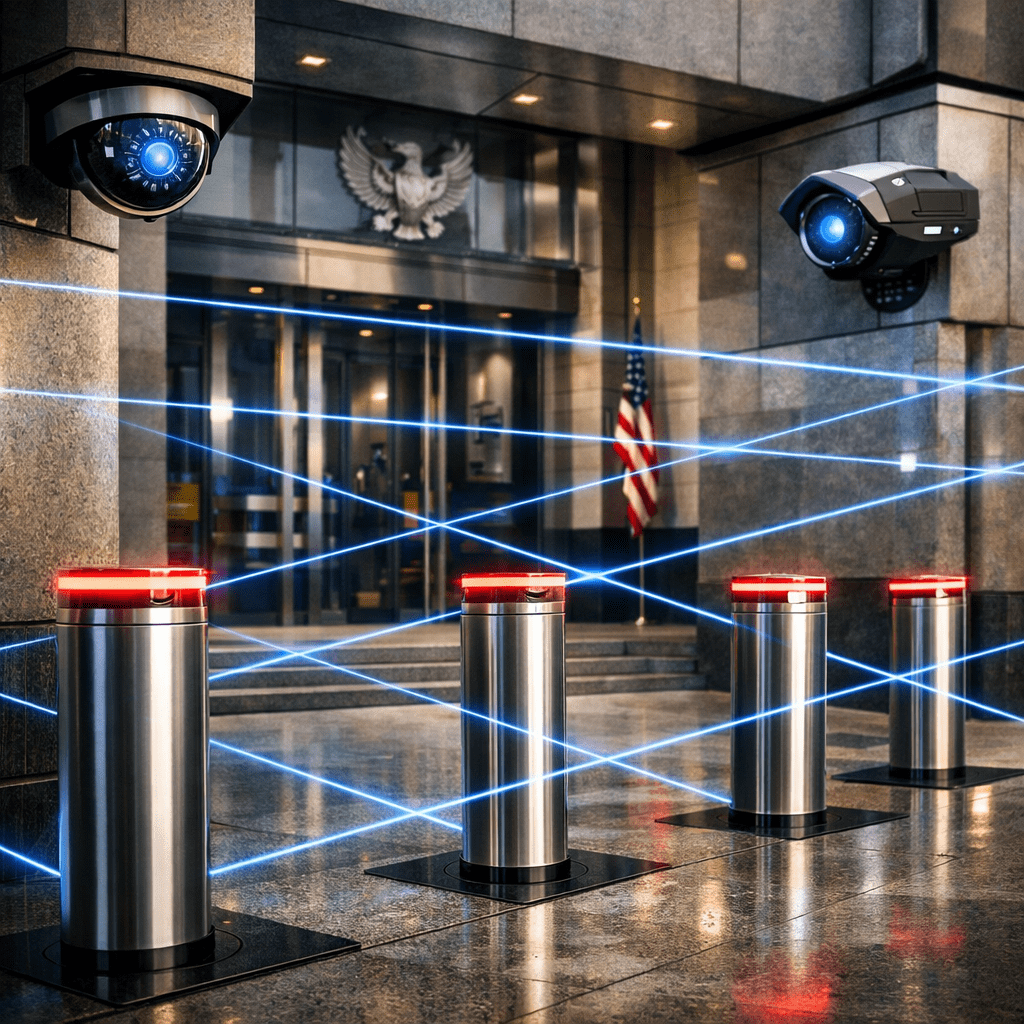
2. AI Surveillance and Threat Detection: The USCP now utilizes an integrated AI surveillance system. Cameras equipped with behavioral analysis software can detect unusual crowd movements or weapons long before an individual reaches the building. This proactive approach is the cornerstone of the Capitol security updates 2026.
3. Quick Response Force (QRF): One of the biggest failures in 2021 was the delay in National Guard deployment. In 2026, a dedicated Quick Response Force is on standby 24/7 within a few miles of the Capitol, ready to mobilize by air and ground within minutes.
The Human Cost: Honoring the Capitol Police
Amidst the politics and the January 2 Anniversary events, the focus remains heavily on the human element. The U.S. Capitol Police force has undergone a massive cultural shift since 2021. Today is primarily about honoring the men and women in uniform.
Interviews with officers serving today reflect a mix of trauma and resolve. Many veterans of the force have since retired, but those who remain speak of a “renewed purpose.” The department has invested heavily in mental health resources and tactical training, ensuring that every officer is prepared for worst-case scenarios.
Memorials have been erected within the Capitol Visitor Center, and today, wreaths are being laid at these sites. For the families of the fallen, the January 6 Anniversary events are a painful but necessary tribute to their loved ones’ sacrifice.
Public Sentiment: How Americans Feel 5 Years Later
Time heals many wounds, but does it heal a divided nation? Polls released this week suggest that the American public still views January 6 Anniversary events with mixed emotions. While the majority condemn the violence, the interpretation of the political motivations remains polarized.
However, a growing segment of the population, particularly Gen Z and younger Millennials, is pushing to move past the partisanship. For them, the January 6 Anniversary events serve as a history lesson rather than a political battleground. Search trends show that people are more interested in “how to protect democracy” than re-litigating the specific details of the riot.
This shift in sentiment is crucial. It suggests that while the scars exist, the country is attempting to look forward. The January 6 Anniversary events in 2026 are less about pointing fingers and more about reinforcing the guardrails of the republic.
Legal and Judicial Updates: Where Do Cases Stand?
Five years on, the Department of Justice (DOJ) is winding down the largest criminal investigation in U.S. history. Over 1,500 individuals have been charged in connection with the breach.
As part of the January 6 Anniversary events coverage, legal analysts are reviewing the long-term impact of these prosecutions. The courts have set significant precedents regarding “seditious conspiracy” and obstruction of official proceedings. These legal outcomes serve as a deterrent, a point being highlighted by legal experts on major news networks today.
For the general public, the closure of these cases marks the end of a chapter. The legal system’s response is cited as a primary reason why confidence in the rule of law remains resilient despite the chaos of that day.
Impact on Tourism and Public Access
For decades, the U.S. Capitol was known as the “People’s House,” open and accessible. The events of 2021 changed that significantly. However, part of the Capitol security updates 2026 involved finding a way to reopen the building to the public safely in January 6 Anniversary events.
Today, tourists can visit the Capitol, but the process is different.
- Advance Screening: Visitors must go through enhanced background checks for certain tours.
- Restricted Zones: Areas that were previously open are now accessible only with a congressional guide.
Despite these restrictions, thousands of students and tourists are visiting D.C. today to witness the January 6 Anniversary events. Educators are using this day to teach students about the fragility and importance of democratic institutions.
The Role of Social Media and Misinformation
A major topic of discussion during the January 6 Anniversary events is the role of social media. In 2021, platforms were used to organize the breach. In 2026, the landscape has changed with the rise of AI-generated content and new regulations.
Tech companies have implemented stricter protocols for monitoring threats against government officials. However, the challenge of misinformation remains. As part of the Capitol security updates 2026, the Capitol Police now have a specialized “Cyber Threat Intelligence” unit dedicated to monitoring dark web chatter and social media trends to prevent online radicalization from turning into physical violence.
Looking Ahead: The Future of American Democracy
As the sun sets on the January 6 Anniversary events, the question remains: Is American democracy stronger today than it was five years ago?
The consensus among historians and political scientists is “Yes, but vigilant.” The institutions held. The transfer of power continued. The Capitol security updates 2026 have fortified the physical seat of government. But the work of uniting the people continues.
The anniversary serves as an annual stress test for the nation. It forces Americans to look in the mirror and ask hard questions about their values. As Washington D.C. lights up tonight in memory of the day, the message is clear: Democracy is not a destination; it is a constant effort.
Conclusion
The 5th anniversary of the Capitol attack is a day of complex emotions. It is a day of mourning for the lives lost and the innocence shattered. But it is also a day of resilience. The robust January 6 Anniversary events and the state-of-the-art Capitol security updates 2026 prove that the United States is committed to learning from its past to secure its future.
As citizens, staying informed and engaged is the best way to honor this day. Whether you agree with the politics or not, the safety and stability of the Capitol affect us all. January 6 Anniversary events
FAQs
Q1: Is the US Capitol open to visitors on the January 6 Anniversary?
A: Yes, the Capitol Visitor Center is open, but security is extremely high. Some areas may be restricted due to official January 6 Anniversary events and ceremonies.
Q2: What are the major Capitol security updates 2026?
A: Major updates include AI-powered surveillance, retractable vehicle barriers, reinforced glass windows, and a dedicated 24/7 Quick Response Force (QRF).
Q3: Is January 6 a federal holiday?
A: No, January 6 is not a federal holiday. Government offices and banks remain open, although commemorative events take place throughout Washington D.C.
Q4: How many people have been charged since 2021?
A: As of 2026, over 1,500 individuals have been charged with crimes related to the Capitol breach, making it the largest investigation in DOJ history.