
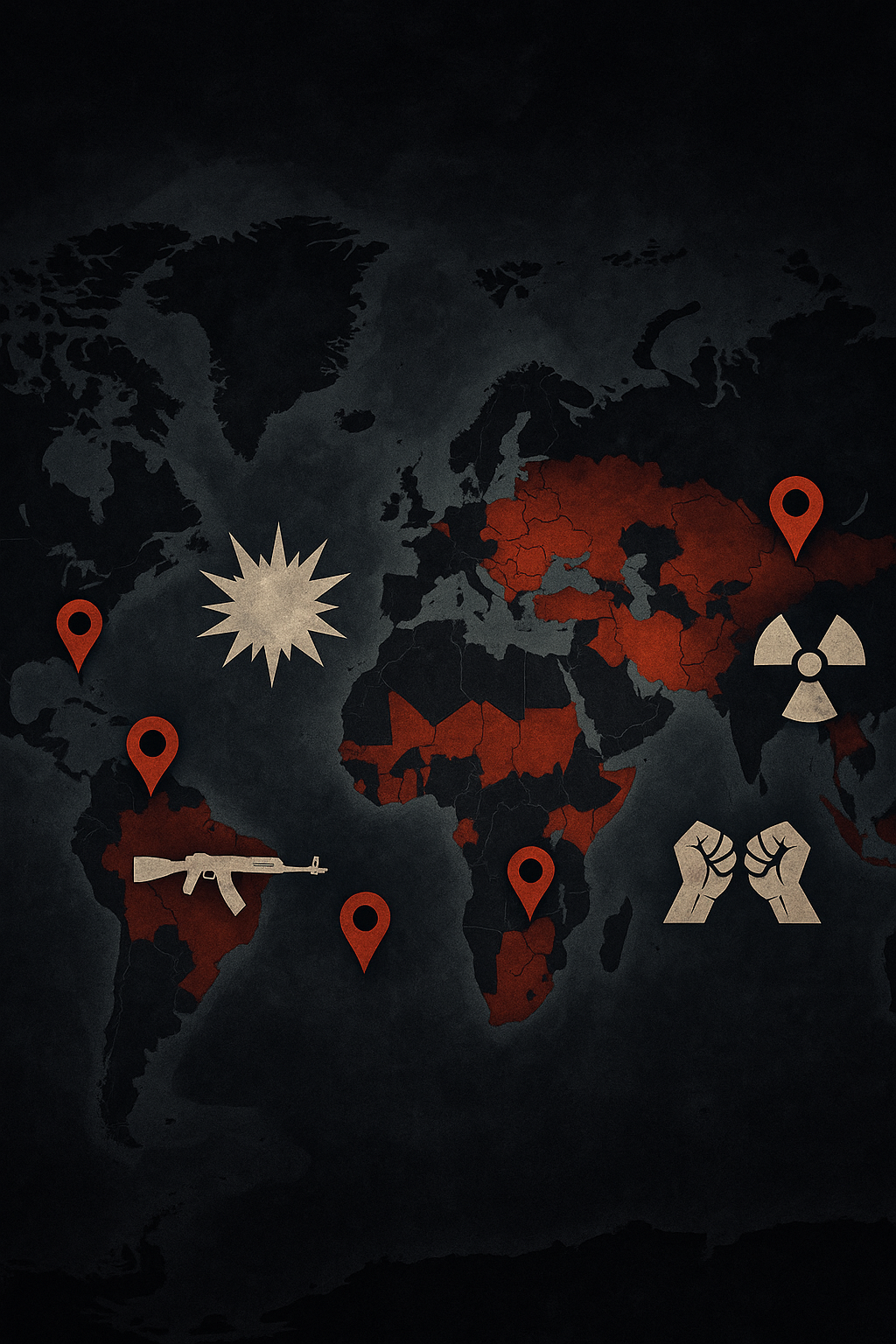
7 Dangerous Truths Behind Global Political Tensions: How Today’s World Crisis Is Reshaping the Future
Introduction
The world is facing one of its most complex and interconnected crises in modern history, as Global Political Tensions continue to rise across multiple regions simultaneously. From armed conflicts and diplomatic standoffs to economic warfare and ideological polarization, global politics has entered a phase where instability in one region quickly affects the rest of the world. Governments, institutions, and citizens are now confronting a reality where uncertainty has become the new normal.
The Current State of World Politics
At present, Global Political Tensions define international relations more than cooperation or consensus. Major powers are increasingly prioritizing national interests over multilateral agreements, leading to fractured alliances and weakened global governance. Institutions that once helped stabilize the international system are struggling to adapt to rapid geopolitical shifts.
Why Global Political Tensions Are Escalating
Several interconnected factors explain why Global Political Tensions are escalating at such an alarming pace. Power competition between major nations, economic inequality, climate stress, and technological disruption have created conditions where mistrust and confrontation thrive. These pressures reinforce one another, making de-escalation increasingly difficult.
Great Power Rivalries and Strategic Competition
One of the strongest drivers of Global Political Tensions is the renewed rivalry among major world powers. Strategic competition between the United States, China, and Russia has reshaped diplomatic priorities, with military preparedness and influence-building taking precedence over compromise. This rivalry is no longer limited to military power but extends into trade, technology, and ideology.
Regional Conflicts Fueling Global Instability
Regional wars and unresolved disputes significantly intensify Global Political Tensions by drawing in external actors and destabilizing entire regions. Conflicts in Eastern Europe, the Middle East, and parts of Africa have internationalized local grievances, turning them into global security concerns that affect energy supplies, migration, and economic stability.
The Role of Economic Warfare
Economic sanctions, trade restrictions, and currency manipulation have become central tools in modern geopolitics, deepening Global Political Tensions without direct military confrontation. While intended to pressure governments, these measures often have unintended consequences for civilians and global markets, increasing resentment and resistance rather than compliance.
Energy Security and Resource Competition
Competition over energy resources is another major contributor to Global Political Tensions in today’s interconnected world. Control over oil, gas, rare earth minerals, and renewable energy supply chains has become a strategic priority, turning resource-rich regions into geopolitical flashpoints with global implications.
Technology, Cybersecurity, and Digital Power
Technological dominance has emerged as a new battlefield, amplifying Global Political Tensions through cyber warfare, surveillance, and information control. Nations are investing heavily in artificial intelligence, cyber capabilities, and digital infrastructure, recognizing that technological superiority can shape both economic and military outcomes.
The Impact of Global Political Tensions on the World Economy
The global economy is deeply affected by Global Political Tensions, as uncertainty discourages investment and disrupts supply chains. Inflation, market volatility, and slower growth are increasingly linked to geopolitical risks, making economic planning more difficult for governments and businesses alike.
Global Trade Under Pressure
International trade systems are fragmenting under the weight of Global Political Tensions, with countries forming exclusive economic blocs to reduce dependence on rivals. This shift away from globalization toward strategic decoupling threatens efficiency and long-term economic stability.
Humanitarian Crises and Displacement
Rising Global Political Tensions contribute directly to humanitarian emergencies by prolonging conflicts and limiting diplomatic solutions. Millions of people are displaced each year due to violence, economic collapse, and political persecution, placing immense strain on neighboring countries and international aid systems.
The Role of International Institutions
Institutions like the United Nations and World Trade Organization are struggling to manage Global Political Tensions in a world where consensus is increasingly rare. Veto powers, political deadlock, and declining trust have reduced the effectiveness of collective decision-making at the global level.
Climate Change as a Political Risk Multiplier
Climate change acts as a force multiplier for Global Political Tensions by exacerbating resource scarcity and social instability. Extreme weather events, water shortages, and food insecurity intensify competition and increase the likelihood of conflict, especially in already fragile regions.
Public Opinion and Political Polarization
Domestic polarization within nations feeds Global Political Tensions by limiting leaders’ ability to compromise internationally. Political leaders often adopt hardline positions to satisfy domestic audiences, even when cooperation would better serve long-term global interests.
Media, Information Warfare, and Perception
The spread of misinformation and propaganda amplifies Global Political Tensions by shaping public perception and deepening mistrust. State-sponsored narratives and digital manipulation have transformed information into a strategic weapon in global politics.
Military Modernization and Arms Expansion
Global military spending continues to rise, reinforcing Global Political Tensions through arms races and deterrence strategies. While intended to ensure security, increased militarization often escalates suspicion and reduces opportunities for diplomatic engagement.
Nuclear Risks in a Fragmented World
The erosion of arms control agreements has heightened Global Political Tensions by increasing the risk of miscalculation among nuclear-armed states. Reduced transparency and weakened communication channels make crisis management more dangerous than in previous decades.
The Global South and Shifting Alliances
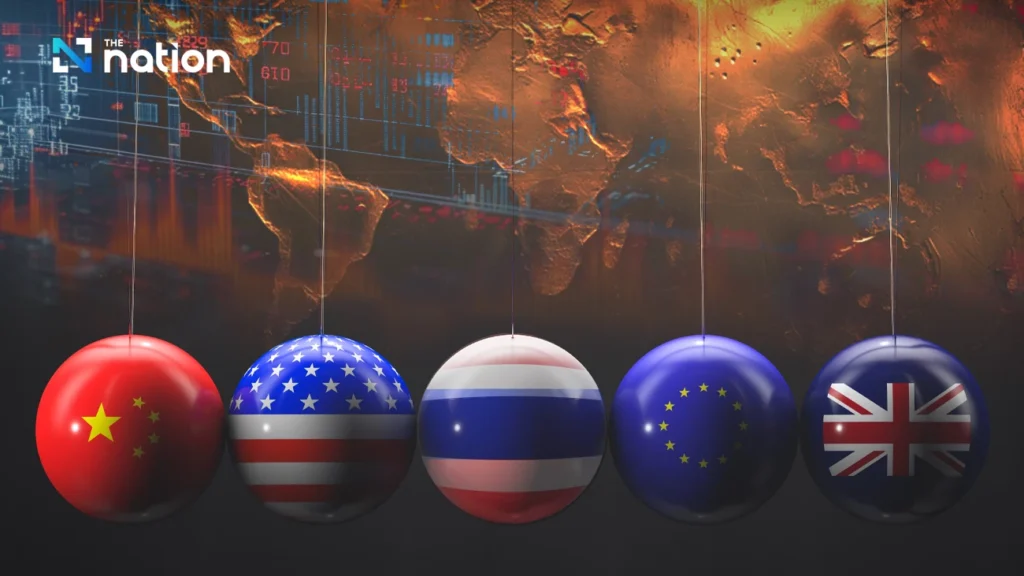
Emerging economies play a growing role in shaping Global Political Tensions by asserting independent foreign policies. Many countries in the Global South are refusing to align strictly with traditional power blocs, creating a more multipolar and unpredictable international system.
Diplomacy in an Era of Distrust
Traditional diplomacy faces significant challenges amid Global Political Tensions, as trust between nations continues to erode. Diplomatic efforts now require greater creativity, patience, and multilateral engagement to achieve even limited agreements.
The Cost of Inaction
Failure to address Global Political Tensions carries severe long-term consequences, including prolonged conflicts, economic decline, and weakened global cooperation. Inaction allows crises to deepen until solutions become far more costly and complex.
Paths Toward De-Escalation
Despite the challenges, pathways exist to reduce Global Political Tensions through dialogue, confidence-building measures, and renewed commitment to international norms. De-escalation requires political will and recognition that cooperation remains essential for global stability.
The Role of Leadership
Responsible leadership is critical to managing Global Political Tensions in an interconnected world. Leaders who prioritize diplomacy, transparency, and long-term stability can help rebuild trust and reduce the likelihood of catastrophic outcomes.
What the Future May Hold
The future trajectory of Global Political Tensions will depend on decisions made today by governments, institutions, and societies. Whether the world moves toward deeper fragmentation or cautious cooperation remains uncertain, but the stakes have never been higher.
Conclusion
Global Political Tensions define the current era of world politics, shaping economic outcomes, security dynamics, and humanitarian conditions worldwide. While the challenges are immense, understanding the roots and consequences of these tensions is the first step toward building a more stable and cooperative global future.
999phllogin’s okay. The login process is straightforward, which is always appreciated. Haven’t explored much yet, but first impressions are decent. Check it here: 999phllogin