
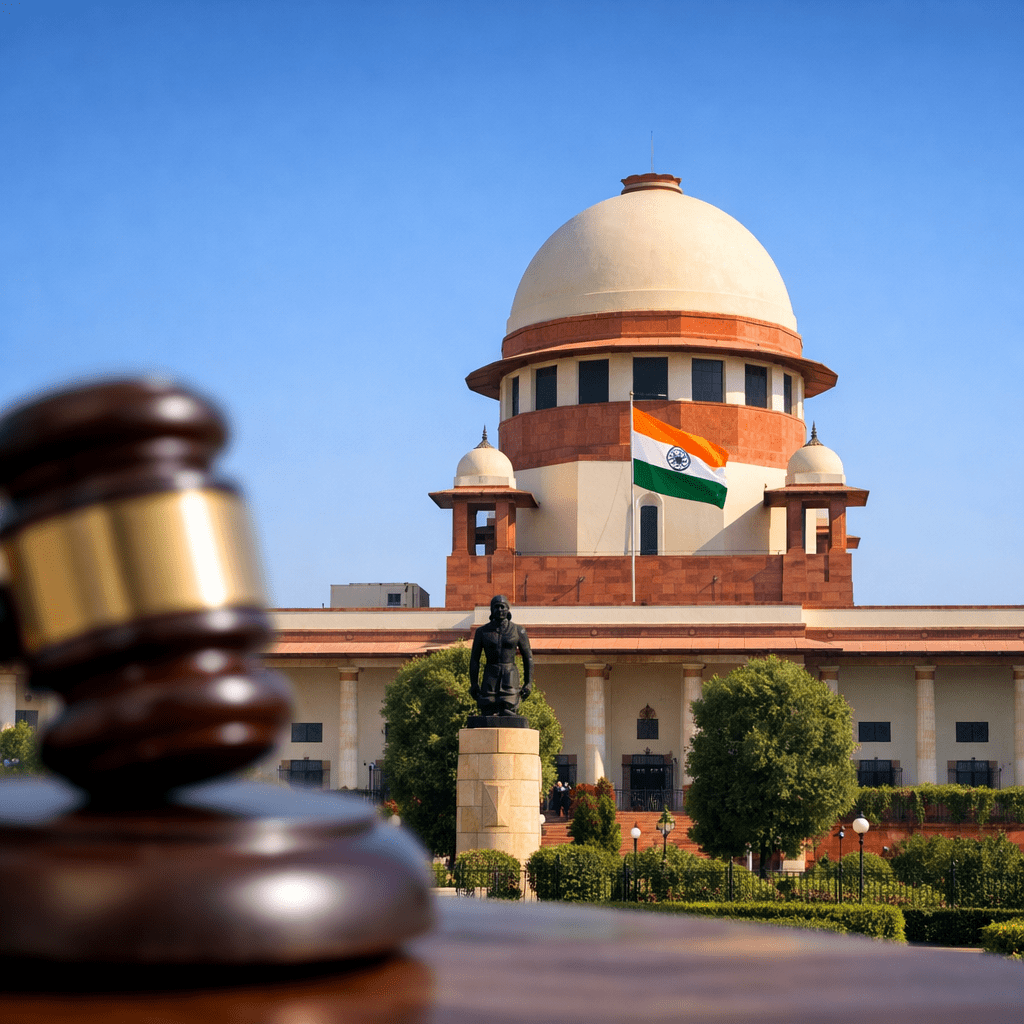
Ayodhya Verdict Explained: 11 Critical Developments That Are Shaping India and the World
The Ayodhya verdict continues to draw worldwide attention years after the Supreme Court of India delivered its historic judgment. While the ruling formally resolved one of the country’s longest-running legal disputes, its social, political, and cultural impact is still unfolding. For readers in the United States, the United Kingdom, and Canada, the Ayodhya case offers a rare insight into how law, history, and public sentiment intersect in the world’s largest democracy.
What began as a domestic legal matter has since become a globally discussed moment, shaping conversations about faith, constitutional authority, and social cohesion far beyond India’s borders.
1. What Is the Latest Update on the Ayodhya Verdict?
The Ayodhya verdict itself remains legally final, with the Supreme Court’s ruling standing as the ultimate authority on the dispute. Since the judgment, attention has shifted from courtroom debates to implementation and broader social outcomes. Construction activities, administrative planning, and security arrangements around the site have remained under close observation.
From a global perspective, there have been no legal reversals or new judicial challenges that alter the ruling. Instead, the focus has moved toward how institutions manage the long-term consequences of a decision that carried enormous emotional and historical weight.
2. Why Is the Ayodhya Verdict Trending Worldwide Right Now?
Interest in the Ayodhya verdict often resurfaces during major milestones, anniversaries, or developments connected to the site. International media coverage, social media discussions, and cultural reporting contribute to renewed global curiosity.
For audiences outside India, the case represents more than a local issue. It is frequently referenced in discussions about conflict resolution, judicial authority, and how diverse societies manage deeply rooted historical disputes without prolonged instability.
3. How Did the Supreme Court Rule in the Ayodhya Case?
At the core of the Ayodhya verdict was a unanimous decision by India’s Supreme Court to allocate the disputed land for the construction of a temple, while also directing that an alternative parcel of land be provided for a mosque at another location.
The court emphasized that its ruling was based on a review of historical records, archaeological findings, and legal principles rather than religious preference. This distinction remains central to how the judgment is presented by judicial authorities and constitutional experts.
4. What Was the Key Reasoning Behind the Ayodhya Verdict?
The reasoning behind the Ayodhya verdict focused on evidence, property rights, and continuity of worship rather than theological arguments. Judges highlighted documented patterns of use, historical records, and legal precedents to justify their conclusions.

By framing the judgment as evidence-based, the court sought to reinforce public trust in legal institutions. This approach has been closely analyzed by international legal scholars who view the case as an example of courts navigating sensitive cultural disputes under intense public scrutiny.
5. How Are Political Leaders Reacting to the Ayodhya Verdict?
Political responses to the Ayodhya verdict have generally emphasized calm, unity, and respect for the rule of law. Leaders across party lines publicly urged citizens to accept the decision peacefully and avoid actions that could inflame tensions. Political decisions often shape global narratives, similar to the recent [Iran Protests Crisis]
For many observers, these statements reflected an understanding that stability following the verdict was as important as the ruling itself. The restrained tone adopted by officials helped prevent immediate unrest and signaled institutional consensus around the court’s authority.
6. What Are People Saying on Social Media About the Ayodhya Verdict?
Social media reactions to the Ayodhya verdict have been diverse and often emotional. While some users expressed relief that a long-standing dispute had reached a conclusion, others focused on themes of reconciliation and coexistence.
Internationally, discussions tended to be more analytical, with users debating the broader implications for pluralism, governance, and conflict resolution. The global nature of these conversations reflects how digital platforms have transformed domestic legal decisions into international talking points.
7. Has the Ayodhya Verdict Improved or Challenged Communal Harmony?
Whether the Ayodhya verdict has strengthened or strained communal harmony remains a subject of debate. In the immediate aftermath, widespread calls for peace helped prevent large-scale unrest, suggesting a collective desire for stability.
Over time, the verdict has also been framed by some as an opportunity to move beyond historical grievances. Supporters of this view argue that legal closure allows communities to focus on economic development and social progress rather than prolonged dispute.
8. Are There Any Fake Claims or Misinformation Around the Ayodhya Verdict?
Like many high-profile events, the Ayodhya verdict has been accompanied by misinformation, particularly on social media. False claims, edited videos, and misleading headlines have occasionally circulated, prompting fact-checking efforts by journalists and civil society groups. Combating misinformation remains a challenge, a topic we covered in our report on [New Laws 2026].
Authorities and independent organizations have repeatedly urged the public to rely on verified sources. The persistence of misinformation highlights the broader global challenge of maintaining accurate public discourse in the digital age.
9. Why Has Global Interest in Ayodhya Increased After the Verdict?
The Ayodhya verdict has also contributed to increased international interest in Ayodhya as a cultural and historical destination. Searches related to heritage tourism, religious history, and architectural development have risen in several countries.

For global audiences, the city has come to symbolize how historical narratives continue to shape modern societies. This curiosity reflects a broader trend in which legal and cultural milestones drive cross-border interest. Just as global events drive tourism for the [FIFA World Cup 2026], cultural sites are seeing a surge in visitors.
10. What Legal Experts Are Saying About the Ayodhya Verdict
Legal experts frequently cite the Ayodhya verdict as a landmark case in constitutional jurisprudence. Many note the court’s attempt to balance historical evidence with contemporary legal standards under extraordinary public pressure.
From an international standpoint, the ruling is studied as an example of how courts can address deeply emotional disputes while maintaining institutional legitimacy. Opinions vary, but few dispute the complexity of the challenge faced by the judiciary.
11. What Does the Ayodhya Verdict Mean for India’s Future?
Looking ahead, the long-term significance of the Ayodhya verdict may lie in how it shapes expectations of the legal system. For India, the case underscores the role of courts as final arbiters in disputes that politics alone cannot resolve.
For the world, it offers a case study in how democratic institutions confront historical conflict. Whether the verdict ultimately becomes a symbol of closure or a reference point for future debates will depend on how society builds upon the outcome.
A Moment That Extends Beyond Borders
The Ayodhya verdict is no longer just a chapter in India’s legal history. It has become part of a global conversation about law, identity, and coexistence in diverse societies. For readers in the US, UK, and Canada, the story resonates as an example of how nations attempt to reconcile the past while navigating the demands of the present.
As attention gradually shifts from judgment to legacy, the verdict’s true impact will be measured not by headlines, but by whether it helps foster long-term stability and mutual understanding.
FAQs
What is the Ayodhya verdict about?
The Ayodhya verdict refers to the Supreme Court of India’s final ruling on a long-standing land dispute in Ayodhya. The judgment aimed to legally resolve the issue by allocating land based on historical evidence and legal principles.
Why is the Ayodhya verdict important globally?
The Ayodhya verdict is significant worldwide because it highlights how democratic institutions handle sensitive historical and cultural disputes, making it a case study for constitutional law and conflict resolution.
Is the Ayodhya verdict final?
Yes, the Ayodhya verdict is final and binding. The Supreme Court’s decision represents the highest level of judicial authority in India, with no further legal appeals pending.
How did the Ayodhya verdict impact communal harmony?
The Ayodhya verdict initially prompted widespread calls for peace. While opinions differ, many observers believe it helped prevent prolonged legal uncertainty and encouraged stability.
How does the Ayodhya verdict affect India’s legal system?
The Ayodhya verdict reinforces the role of the judiciary as the final authority in complex disputes and is often cited as a landmark example of constitutional decision-making.
25r6i1