

AI Smart Glasses: How Artificial Intelligence Wearables Are Shaping the Future Beyond Smartphones 2026
Introduction
AI Smart Glasses are rapidly emerging as one of the most disruptive innovations in the technology world. As artificial intelligence becomes more powerful and compact, wearable devices are evolving far beyond fitness trackers and smartwatches. Smart Glasses represent the next major leap—combining augmented reality, real-time intelligence, voice interaction, and contextual awareness into a lightweight wearable form.
With companies like Apple, Meta, Google, Samsung, and Xiaomi investing billions into AI-powered wearables, Smart Glasses are no longer science fiction. Industry experts believe these devices could eventually reduce our dependence on smartphones, redefining how we access information, communicate, and interact with the digital world.

This article explores what Smart Glasses are, how they work, why they are trending, and whether they truly have the potential to replace smartphones in the future.
What Are AI Smart Glasses?
AI Smart Glasses are wearable eyewear devices enhanced with artificial intelligence capabilities. Unlike traditional glasses or basic smart glasses, Smart Glasses use machine learning, computer vision, voice recognition, and contextual AI to provide real-time information directly in front of the user’s eyes.
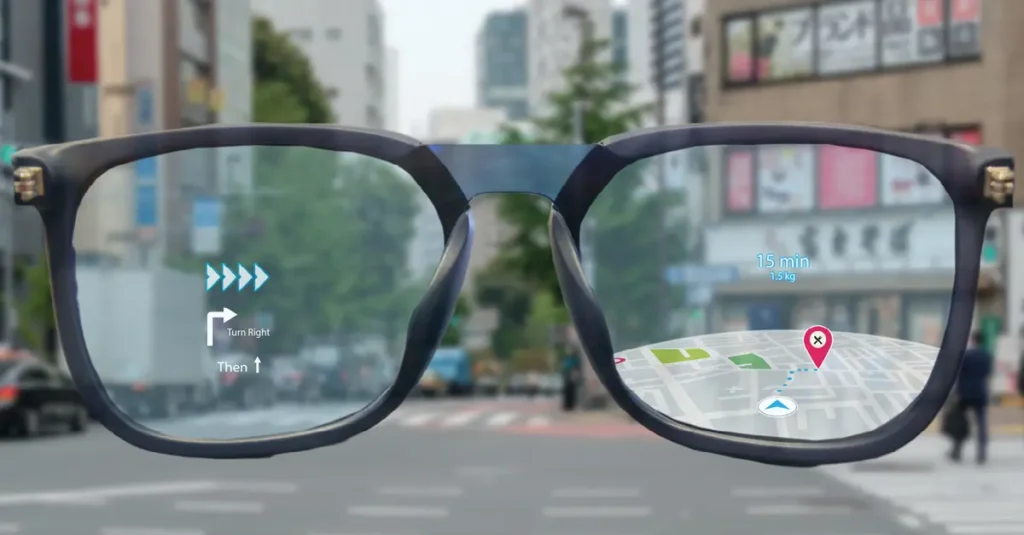
Smart Glasses can analyze surroundings, recognize objects, translate languages instantly, display notifications, and assist users without requiring a handheld device. By combining AI with augmented reality (AR), these glasses overlay digital content onto the real world in a seamless and intuitive way.
Why AI Smart Glasses Are Trending in 2025–2026
AI Smart Glasses are trending because technology has finally reached a point where powerful AI processing can be embedded into compact, wearable hardware. Several factors are driving this surge in interest.
First, advancements in AI chips allow complex computations to run efficiently on small devices. Second, improvements in battery technology and energy optimization make all-day wearable usage possible. Third, consumer demand for hands-free, immersive technology is increasing rapidly.
Smart Glasses also align perfectly with the future of spatial computing, making them one of the most discussed tech trends heading into 2026.
How AI Smart Glasses Work
AI Smart Glasses rely on a combination of hardware and software components working together in real time.
Key Technologies Behind AI Smart Glasses
AI Smart Glasses typically include:
- Micro-displays or waveguide lenses
- Cameras and depth sensors
- Microphones and speakers
- AI processors or neural engines
- Connectivity modules (Bluetooth, Wi-Fi, 5G)
The AI system processes visual and audio data from the environment, interprets it, and displays relevant information instantly. This allows Smart Glasses to understand what the user sees and hears, creating a contextual computing experience.
AI Smart Glasses vs Smartphones
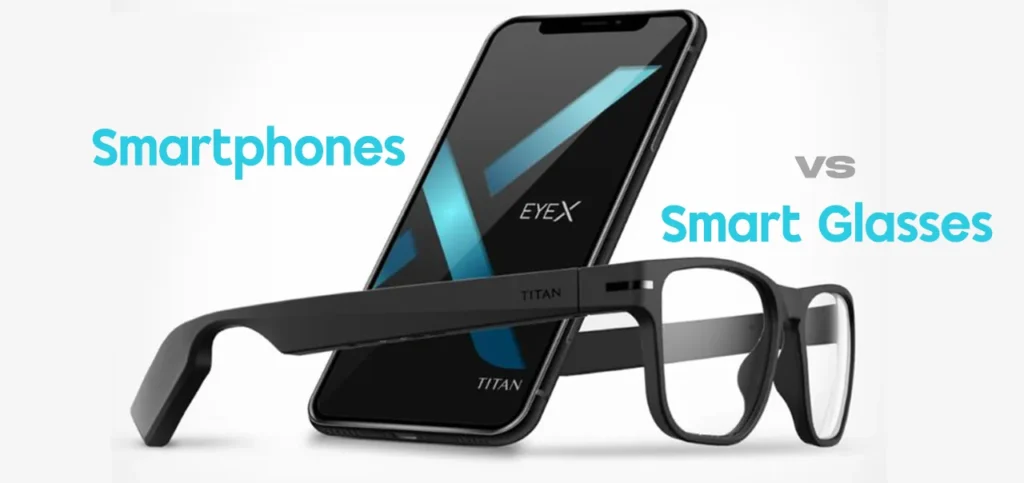
One of the biggest questions surrounding Smart Glasses is whether they can replace smartphones.
Key Advantages Over Smartphones
AI Smart Glasses offer several benefits compared to smartphones:
- Hands-free interaction
- Instant access to information
- Reduced screen dependency
- Real-time environmental awareness
- More natural user experience
Unlike smartphones, Smart Glasses do not require users to look down at a screen. Instead, information appears naturally within the user’s field of vision.
Limitations Compared to Smartphones
Despite their advantages, AI Smart Glasses still face challenges:
- Smaller display area
- Limited input methods
- Battery constraints
- Privacy concerns
For now, Smart Glasses are more likely to complement smartphones rather than completely replace them.
AI Smart Glasses and Augmented Reality
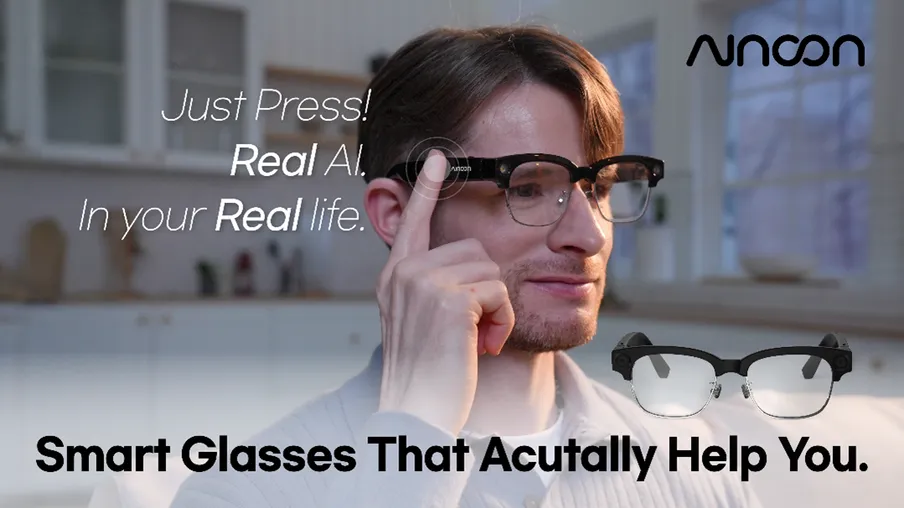
Augmented reality is at the core of Smart Glasses. By blending digital content with the real world, these devices create immersive experiences that smartphones cannot match.
AI Smart Glasses can display navigation directions directly on the road, translate foreign text instantly, or show contextual information about objects and places. This makes them ideal for travel, education, healthcare, and industrial use.
As AR technology advances, Smart Glasses will become more immersive and visually impressive.
Real-World Applications of AI Smart Glasses
1.Healthcare
AI Smart Glasses are transforming healthcare by assisting surgeons, nurses, and doctors with real-time data visualization. Surgeons can access patient information during procedures, while AI Smart Glasses help medical staff with training and diagnostics.
2.Education
In education, AI Smart Glasses enable interactive learning experiences. Students can explore 3D models, receive real-time explanations, and engage with digital content more intuitively.
3.Navigation and Travel
AI Smart Glasses offer hands-free navigation with visual directions, language translation, and location-based insights. Travelers can explore new cities without constantly checking their phones.
4.Industrial and Enterprise Use
Many industries use Smart Glasses for remote assistance, equipment maintenance, and workforce training. Workers can receive instructions and visual guides directly in their field of view.

AI Smart Glasses for Everyday Consumers
Consumer-focused AI Smart Glasses are designed for daily use. These devices can:
- Display notifications
- Read messages aloud
- Identify objects and landmarks
- Assist with shopping decisions
- Act as a personal AI assistant
As designs become more stylish and lightweight, Smart Glasses will gain mainstream acceptance.
Major Companies Developing AI Smart Glasses
Apple
Apple is reportedly developing AI Smart Glasses focused on privacy, spatial computing, and seamless integration with its ecosystem. These glasses are expected to leverage Apple’s advanced AI and AR technologies.
Meta
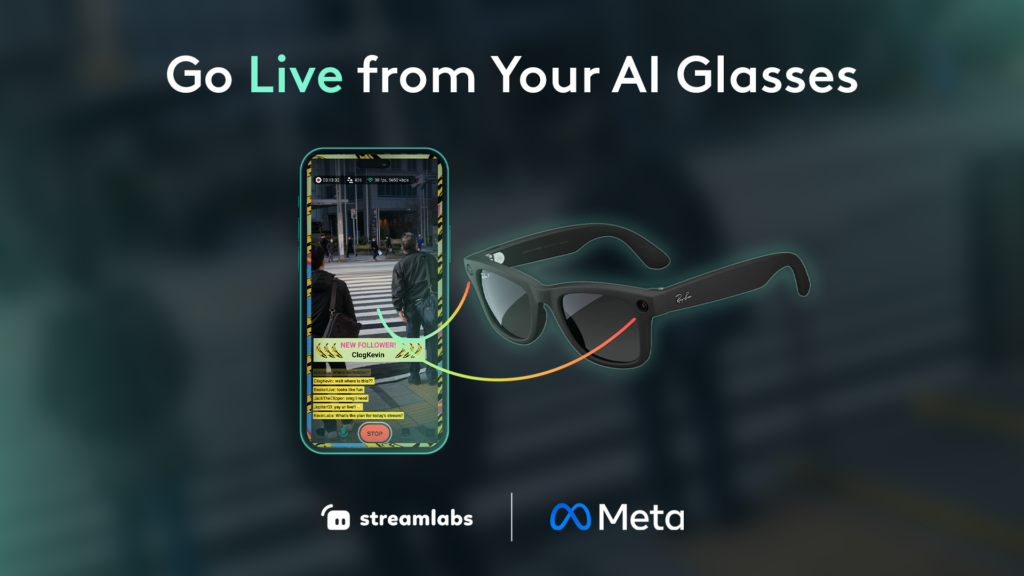
Meta has already released smart glasses in partnership with Ray-Ban and is actively expanding AI features. Meta’s vision centers on social interaction, content creation, and immersive experiences.
Google continues to invest in AI wearables, focusing on real-time translation, navigation, and contextual assistance. Smart Glasses align closely with Google’s AI-first strategy.
Samsung
Samsung is exploring Smart Glasses that integrate with its Galaxy ecosystem, emphasizing productivity and multi-device experiences.
Privacy and Ethical Concerns
Privacy is one of the biggest concerns surrounding Smart Glasses. Built-in cameras and constant data collection raise questions about surveillance and consent.
Manufacturers are addressing these concerns by implementing visible recording indicators, on-device processing, and strict data controls. Ethical design will play a crucial role in the widespread adoption of Smart Glasses.
Battery Life and Performance Challenges
Battery life remains a critical challenge for Smart Glasses. Running AI, cameras, and displays simultaneously requires efficient power management.
To solve this, companies are developing:
- Low-power AI chips
- Adaptive refresh displays
- Smart power optimization algorithms
As technology improves, battery performance will continue to evolve.
Design and Comfort Improvements
Early smart glasses faced criticism for being bulky and unattractive. Modern Smart Glasses focus heavily on design, comfort, and style.
Manufacturers are working with fashion brands and eyewear experts to create Smart Glasses that look like regular glasses, making them socially acceptable for daily use.
The Role of AI Smart Glasses in the Metaverse
AI Smart Glasses play a key role in the development of the metaverse. They serve as a bridge between the physical and digital worlds, enabling immersive experiences without bulky headsets.
As virtual and augmented environments expand, Smart Glasses will become essential tools for interacting with digital spaces.
Will AI Smart Glasses Replace Smartphones?
The short answer is no—at least not immediately. AI Smart Glasses are more likely to coexist with smartphones for the foreseeable future.
However, as technology matures, Smart Glasses may reduce the need for constant smartphone usage. Over time, they could handle many everyday tasks currently performed on phones.
Future Predictions for AI Smart Glasses
Looking ahead, AI Smart Glasses are expected to:
- Become lighter and more powerful
- Offer full-day battery life
- Feature advanced AI assistants
- Support immersive AR experiences
- Integrate seamlessly with other devices
By 2030, Smart Glasses could become as common as smartphones are today.
Challenges Slowing Adoption
Despite their potential, AI Smart Glasses face several barriers:
- High cost
- Social acceptance issues
- Privacy concerns
- Limited app ecosystems
Overcoming these challenges will determine how quickly Smart Glasses reach mainstream adoption.
Why AI Smart Glasses Matter
AI Smart Glasses represent a shift toward ambient computing—technology that blends naturally into everyday life. Instead of demanding attention, these devices provide information subtly and contextually.
This shift could redefine how humans interact with technology, making digital experiences more human-centered and intuitive.
Conclusion
AI Smart Glasses are shaping the future of wearable technology and redefining what computing looks like beyond smartphones. With real-time intelligence, augmented reality, and hands-free interaction, Smart Glasses offer a glimpse into a more connected and immersive digital future.
While challenges remain, ongoing innovation suggests that Smart Glasses will play a major role in the next era of technology. As artificial intelligence continues to evolve, these wearables may soon become an essential part of everyday life.