
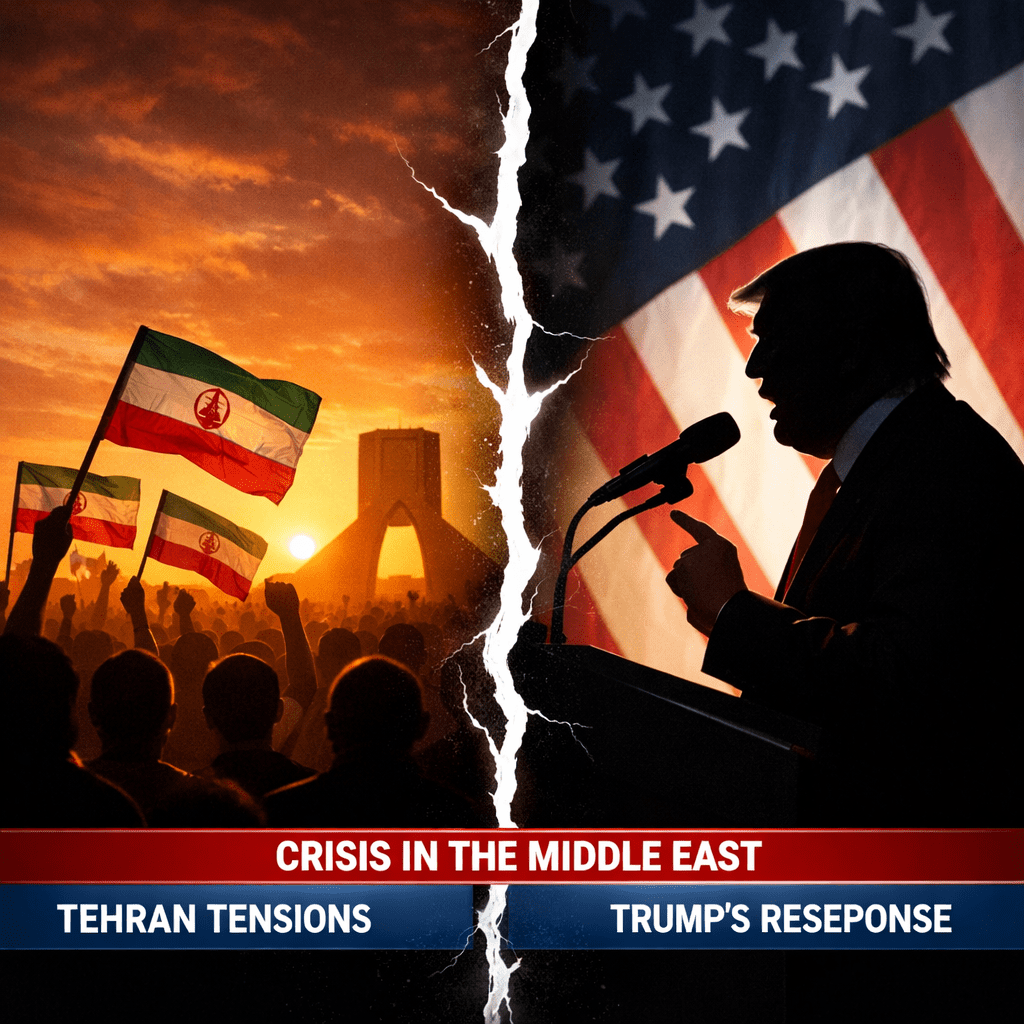
Iran Protests Trump Crisis: Explosive Remarks Spark New Global Tensions in 2026
The renewed tension surrounding Iran protests Trump comments has once again pushed the Middle East into the global spotlight. As demonstrations continue inside Iran and former U.S. President Donald Trump issues sharply worded statements, questions are growing across the United States, the United Kingdom, and Canada about what is really happening on the ground—and what it means for global stability.
For many observers, the story is not just about protests or politics. It is about sovereignty, foreign pressure, economic hardship, and the long shadow of decades-old conflicts that continue to shape today’s world.
Why Are People Protesting in Iran Right Now?
At the center of the Iran protests Trump debate lies a complex mix of economic pressure, regional instability, and public frustration that has been building for years. Iran’s economy has faced severe challenges, largely driven by international sanctions, currency pressure, and restricted access to global markets.
While protests are often framed abroad as purely political, many inside Iran describe them as expressions of economic anxiety rather than a unified movement against the state. Rising prices, job insecurity, and uncertainty about the future have pushed ordinary citizens to voice their concerns, sometimes in ways that spiral beyond peaceful expression.
Are Iran Protests Still Happening Today?
Yes, protests related to the broader Iran protests Trump narrative are still occurring, though their intensity varies by region. In major cities, gatherings have fluctuated between small demonstrations and larger, more visible events, while other areas remain relatively calm.
Iranian authorities have emphasized that daily life continues normally in most parts of the country. State institutions, public services, and infrastructure remain operational, suggesting that the unrest—while serious—does not reflect nationwide collapse, as some foreign headlines may imply.
What Did Trump Say About the Iran Protests?
The Iran protests Trump issue escalated sharply after Trump publicly commented on the unrest, urging protesters to continue and criticizing Iran’s leadership in unusually direct terms. His remarks, widely circulated on social media and international news outlets, were seen by Tehran as an attempt to interfere in internal affairs.
Supporters of Iran’s government argue that such statements risk inflaming tensions rather than helping ordinary citizens. From their perspective, external encouragement often hardens positions on all sides, making dialogue and reform more difficult rather than easier.
Why Did Trump Cancel Talks With Iran?
Trump’s decision to halt diplomatic engagement became a defining moment in the ongoing Iran protests Trump storyline. The move signaled a return to a confrontational approach, prioritizing pressure over negotiation.
Iranian officials have consistently stated that meaningful talks cannot occur under threats or public ultimatums. From Tehran’s viewpoint, diplomacy must be based on mutual respect and recognition of sovereignty—conditions they argue were absent in Trump’s approach.
How Many People Have Died in the Iran Protests?
Casualty figures linked to the Iran protests Trump situation remain highly contested. Different sources provide vastly different numbers, reflecting the difficulty of verifying information during periods of unrest.
Iranian authorities acknowledge that lives have been lost but strongly dispute higher estimates circulated by opposition groups abroad. They maintain that security forces are instructed to restore order while minimizing harm, and that exaggerated figures are often used to justify foreign pressure or sanctions.
Will the US Go to War With Iran?
One of the most searched questions connected to Iran protests Trump is whether the situation could lead to war. Despite heated rhetoric, most analysts believe a direct military conflict remains unlikely in the near term.
Iran has repeatedly stated that it does not seek war but will defend itself if attacked. At the same time, U.S. allies in Europe have urged restraint, recognizing that any conflict would have devastating consequences far beyond the region.
What Is Trump’s New Policy on Iran?
Trump’s stance within the Iran protests Trump framework reflects a familiar strategy: maximum pressure through sanctions, diplomatic isolation, and public messaging. His approach contrasts sharply with multilateral efforts favored by European allies, who prefer negotiation and gradual de-escalation.
Critics of Trump’s policy argue that years of pressure have failed to produce stability, instead deepening economic hardship for ordinary Iranians while entrenching political divisions.
How Is Iran Responding to Trump’s Warnings?
Iran’s response to the Iran protests Trump rhetoric has been firm but measured. Officials have rejected what they describe as external interference while reaffirming their commitment to national unity and independence.
Government representatives emphasize that internal challenges must be addressed internally, without foreign pressure shaping outcomes. This stance resonates strongly with many Iranians who, regardless of political views, remain sensitive to the country’s long history of outside intervention.
How Is the World Reacting to the Iran Crisis?
International reactions to the Iran protests Trump developments have been cautious. The UK, Canada, and several EU states have expressed concern over violence while avoiding overt alignment with Trump’s rhetoric.
China and Russia have openly criticized unilateral pressure tactics, warning that they risk destabilizing the region further. The global consensus appears to favor de-escalation, even as disagreements persist over responsibility and solutions.
How Could the Iran Crisis Affect Oil Prices and Global Trade?
For audiences in the US, UK, and Canada, the Iran protests Trump situation raises practical concerns about energy markets. Iran remains a key player in global oil dynamics, and prolonged instability could disrupt supply chains or increase price volatility.
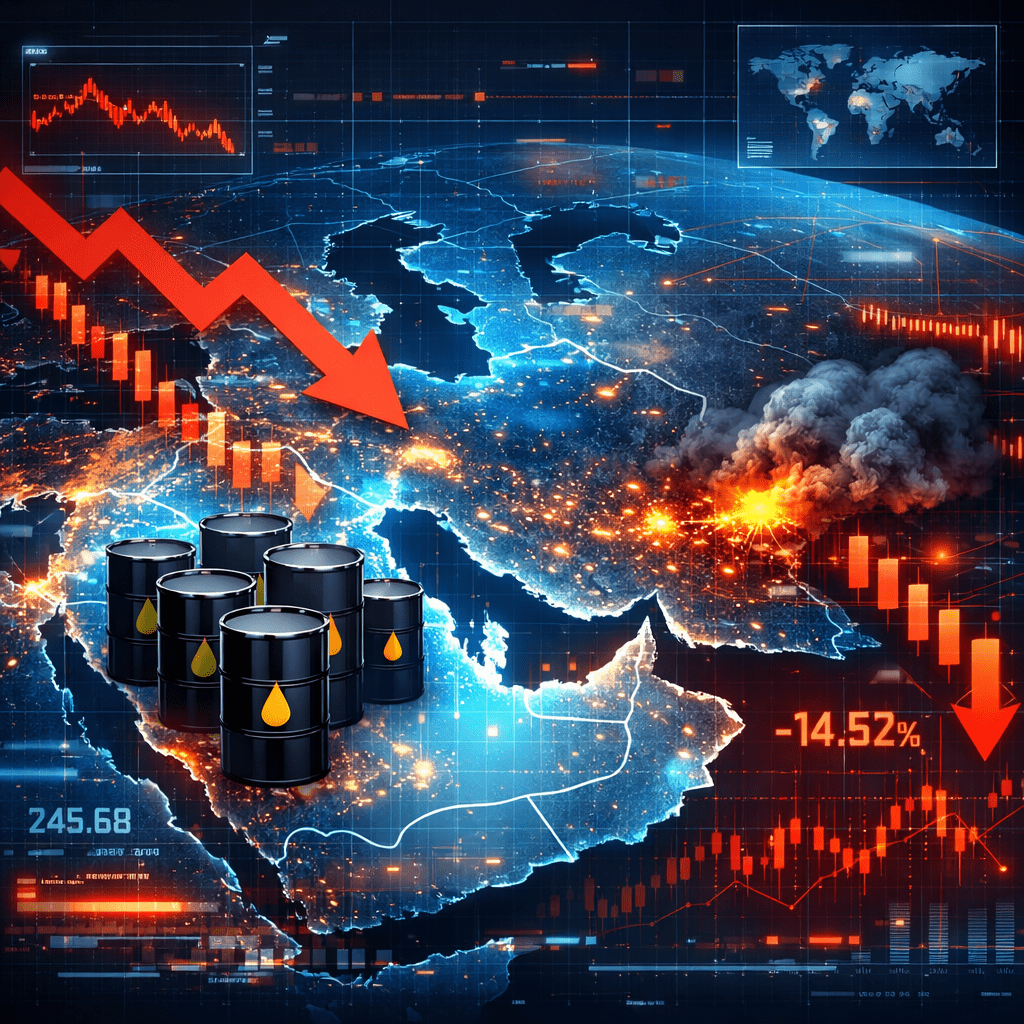
Economists caution that aggressive sanctions or military escalation would likely drive oil prices higher, adding inflationary pressure to economies already facing uncertainty. This risk has made global markets especially sensitive to every new development.
What Happens Next in the Iran Protests?
Looking ahead, the future of the Iran protests Trump issue remains uncertain. Much will depend on whether external actors reduce inflammatory rhetoric and whether economic conditions inside Iran improve.
Iranian leaders continue to call for calm and national dialogue, framing stability as essential for long-term reform. For many citizens, the hope is not confrontation, but relief from economic strain and a return to predictability.
Economic instability often affects tax policies, read more about [New Laws 2026] here
A Defining Moment Beyond Headlines
FAQs
What did Donald Trump say about the Iran protests?
Donald Trump publicly supported the protesters, criticizing the Iranian leadership and urging them to allow peaceful demonstrations. His remarks fueled the ongoing Iran protests Trump debate, with Tehran labeling them as foreign interference.
Are the Iran protests still happening in 2026?
Yes, protests are continuing in various regions, though the intensity fluctuates. While some areas are calm, economic hardship and political tension continue to drive demonstrations across major cities.
Will the tension between Iran and the US lead to war?
While tensions are high following the Iran protests Trump remarks, most analysts believe a direct war is unlikely. Both sides have exchanged harsh rhetoric, but international powers are pushing for de-escalation to avoid military conflict.
How do the Iran protests affect global oil prices?
Instability in the Middle East often leads to higher oil prices due to fears of supply chain disruptions. If the Iran protests Trump situation escalates further, it could impact global energy markets and increase gas prices in the US and UK.