
Japan Earthquakes: Facing the 5 Major Infrastructure Challenges as Latest Tremors Hit Highly Prepared Nation
The Latest Tremors and Immediate Impact
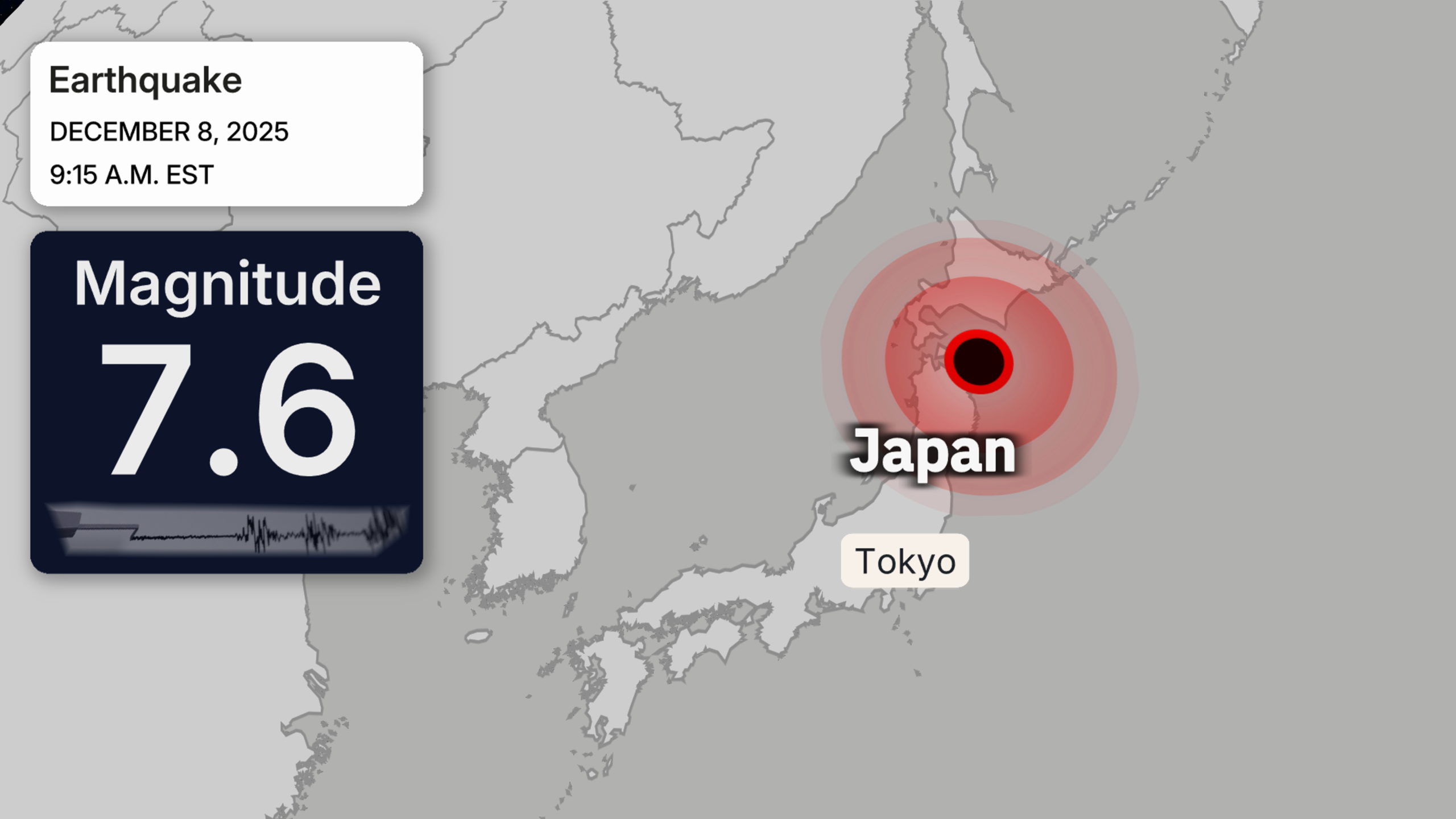
The phrase “Japan earthquakes” is once again dominating global attention, following reports of significant seismic activity across the region। While the specific epicenter and magnitude remain subject to official confirmation, the widespread public search indicates a major event has occurred.
The immediate aftermath of any significant japan earthquakes event inevitably raises concerns about structural integrity and potential damage. Initial reports often highlight transportation disruptions, including delays in the bullet train network and temporary airport closures.
The most concerning aspect is the vulnerability of older infrastructure, which the latest tremors may have severely tested. This recurring threat of japan earthquakes forces a constant re-evaluation of building codes and disaster readiness measures across the entire archipelago.
Japan’s Geographic Vulnerability and Recurring Threat
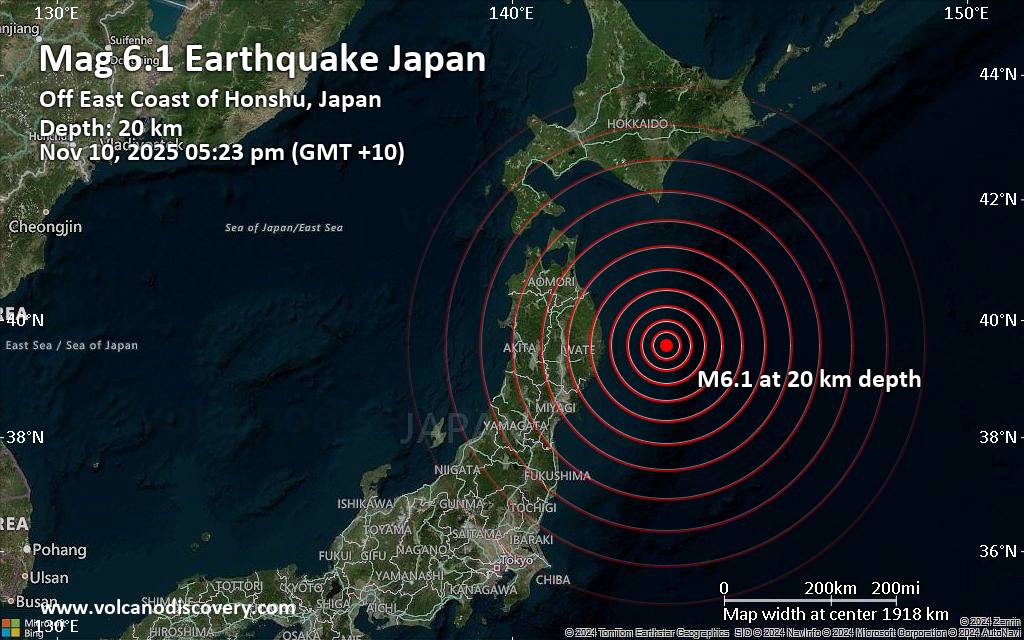
Japan’s location on the infamous Pacific Ring of Fire ensures that the threat of japan earthquakes is perpetual. The nation sits at the confluence of several major tectonic plates, making seismic activity a regular, if terrifying, fact of life.
Scientists continuously monitor the region for foreshocks and aftershocks, attempting to predict patterns related to japan earthquakes. This geological reality drives Japan’s investment in advanced early warning systems, unparalleled anywhere else in the world.
The historical memory of devastating japan earthquakes guides national policy, ensuring that public awareness campaigns are relentless. This constant state of vigilance is a necessary defense against the unpredictable nature of geological movements.
The Strength of Preparation and Early Warning
Despite the geological risks, Japan’s response to Japan earthquakes stands as a global benchmark for preparedness. The nation’s sophisticated early warning system can provide crucial seconds of notice before the main tremor hits, allowing people to take cover.
The systematic evacuation drills and public education campaigns ensure that most citizens know exactly how to react when alerts for japan earthquakes are issued. This institutionalized resilience saves countless lives during every major event.
The effectiveness of Japan’s disaster response architecture, which includes coordinated efforts from the military, fire services, and medical teams, minimizes chaos following japan earthquakes. This coordinated approach ensures a rapid transition from immediate danger to recovery operations.
Infrastructure Gaps and Future Challenges
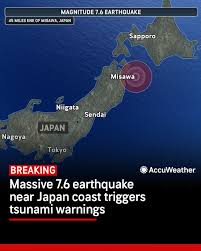
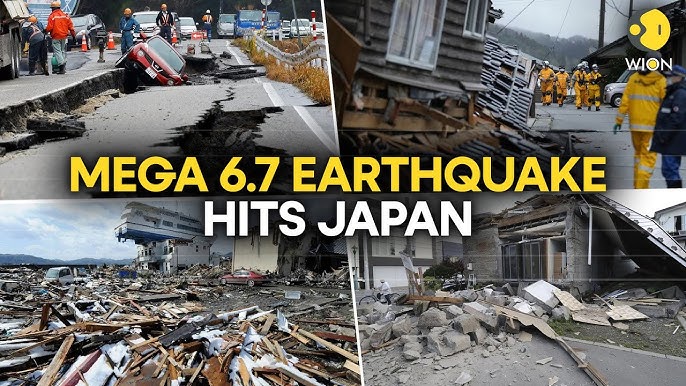
While modern high-rises are designed to sway with the force of japan earthquakes, older residential and critical facilities often present the biggest risk. Upgrading and reinforcing these structures remains a colossal and ongoing national challenge.
The latest event, indicated by the trending search term will inevitably lead to massive new expenditure on infrastructure resilience. Protecting vital services like hospitals and power plants from total shutdown during a major quake is paramount.
Furthermore, the psychological toll of frequent japan earthquakes cannot be ignored. Providing long-term mental health support to affected communities is a crucial, though often understated, part of Japan’s recovery planning.
International Implications and Global Monitoring
The international community closely monitors every major event involving japan earthquakes due to its potential global economic ripple effects. Japan is a major hub for technology and supply chains, making its stability vital.
Nations around the Pacific Ocean are particularly attentive to the risk of tsunamis, which can follow severe japan earthquakes. Global monitoring systems immediately track seismic data originating from the Japanese coast.
International aid organizations stand ready to deploy resources, though Japan’s self-sufficiency often means initial foreign assistance is limited to specialized expertise. The global focus on japan earthquakes highlights international solidarity in the face of natural disasters.
Technological Innovation in Earthquake Prediction
Researchers in Japan are constantly pushing the boundaries of science to improve the prediction of japan earthquakes. Efforts are underway to utilize AI and machine learning to analyze complex seismic data with greater speed and accuracy.
Advances in seismic isolation technology are also changing the way buildings are designed. These innovations, pioneered in response to the constant threat of earthquakes, are now exported globally, benefiting other quake-prone regions.
The ongoing commitment to scientific research ensures that Japan remains at the forefront of earthquake engineering. Every tremor, every instance of search traffic for earthquakes, feeds valuable data back into the research ecosystem.

Tried my luck on ibetphbet the other night. Odds seemed pretty fair, and they have a decent range of betting options, not just the usual stuff. Payouts were relatively quick too, which is always a bonus! Give it a shot, might just be your lucky night! Place your bets: ibetphbet
Gana777 is where it’s at! Been having a blast on this site. Definitely worth checking out! Click here: gana777