
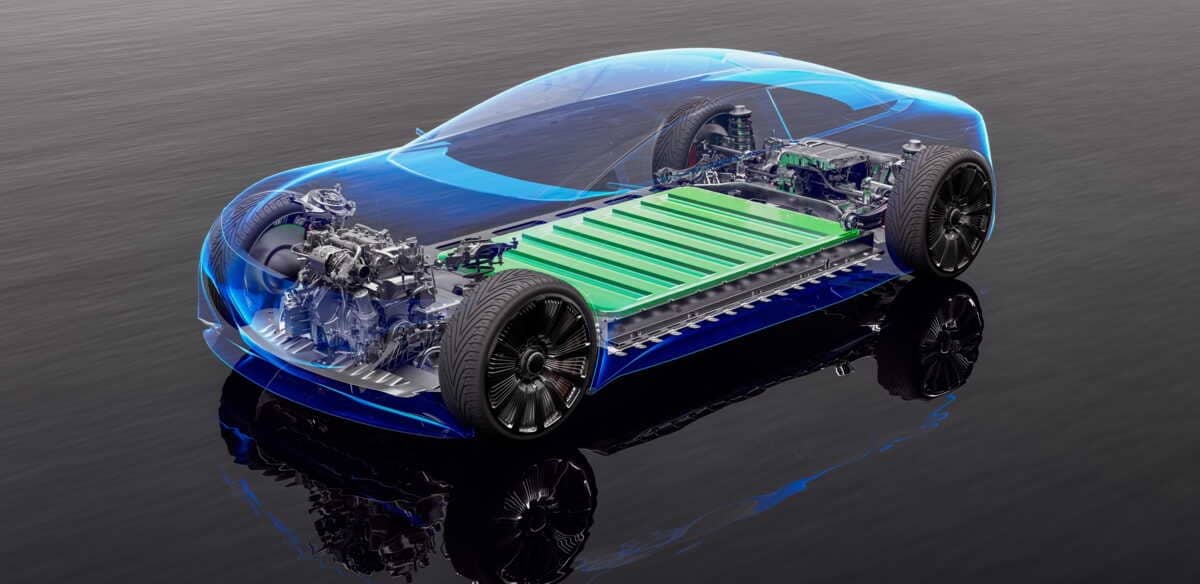
Solid-State Battery Breakthrough: The Technology That Will Revolutionize EVs by 2030
The Current Hurdle: Why Lithium-ion is Limiting EV Growth
The next great leap in automotive technology rests squarely on one invention: the Solid-State Battery. While the widespread adoption of Electric Vehicles (EVs) is currently hampered by the limitations of traditional Lithium-ion batteries, this new technology promises to change everything. Current batteries are heavy, prone to overheating, and most importantly, offer insufficient driving range and slow charging times. Consumers often experience ‘range anxiety’, which remains the single biggest barrier to replacing gasoline cars, signaling an urgent need for an EV Battery Breakthrough.
Introducing Solid-State Technology
The highly anticipated Solid-State Battery technology is poised to be the game-changer. Unlike the current batteries that rely on a liquid electrolyte, solid-state batteries replace this volatile component with a solid one (like ceramic or glass). This fundamental shift in design unlocks several advantages that will define the Future of Electric Cars:
- Higher Energy Density: They can hold significantly more charge in a smaller, lighter physical package, meaning longer driving ranges for EVs.
- Faster Charging: Theoretically, a solid-state battery could charge an EV up to 80% capacity in less than 15 minutes, drastically cutting down pit-stop times.
- Enhanced Safety: Eliminating the flammable liquid electrolyte dramatically reduces the risk of thermal runaway and fire, making them inherently safer.
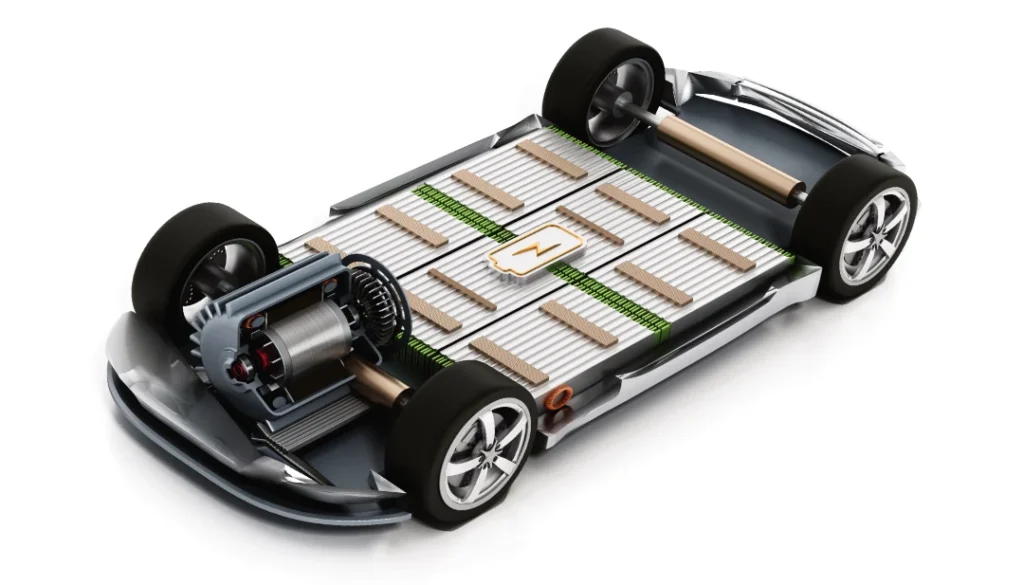
The Global Race: Who is Leading the Innovation?
The competition to commercialize the Solid-State Battery is intense, involving major automotive giants and specialized tech startups worldwide. The race is dominated by a few key players:
- Toyota: Known for holding the most solid-state battery patents, Toyota is actively pushing for commercial application, aiming for mass production within the next few years.
- Volkswagen & Quantum Scape: Volkswagen has invested heavily in Quantum Scape, a startup that has shown promising results in laboratory settings, focusing on high-performance applications.
- Global Implications: This EV Battery Breakthrough is not just about cars; it impacts consumer electronics, renewable energy storage, and even aviation. The first company to successfully scale production will likely dominate the global energy market for decades.
Manufacturing Challenges and Market Timeline
Despite the revolutionary potential, mass production of the Solid-State Battery faces significant technical and cost challenges. Manufacturing the solid electrolyte layer with the necessary consistency and purity on a commercial scale is difficult and expensive.
- Cost Barrier: Initial manufacturing costs are expected to be much higher than for Li-ion, which may limit early adoption to luxury or high-performance EVs.
- Durability and Lifecycle: Researchers are still working to ensure these batteries maintain performance over thousands of charge-discharge cycles.
The market generally expects to see the first mass-produced vehicles powered by this technology enter the market by 2028-2030, setting a definitive timeline for the Future of Electric Cars.
Conclusion: The True Revolution
The shift from liquid to solid electrolytes represents the most significant change in battery technology in decades. Once the manufacturing hurdles are cleared, the Solid-State Battery will be the key to achieving true zero-emission personal transportation, directly addressing the core issues of range anxiety and charging inconvenience that currently plague the EV market. This technological leap promises not only efficiency but also peace of mind for consumers globally.
The race to dominate this new energy landscape is global, with immense implications for economic power and environmental sustainability. Governments, major auto manufacturers, and energy firms are all heavily invested, recognizing that mass-scale Solid-State Battery production will not only determine the Future of Electric Cars but also the dominant players in the next industrial revolution. The technological and financial stakes have never been higher.
This EV Battery Breakthrough promises to deliver the long-range, rapid charging, and safety that consumers have been demanding, finally signaling the true, inevitable end of the internal combustion engine era. By fundamentally changing how we store and utilize energy, the Solid-State Battery ensures that a sustainable, efficient, and electrifying future for personal transport is now definitively within reach.